



What is Breast Augmentation?
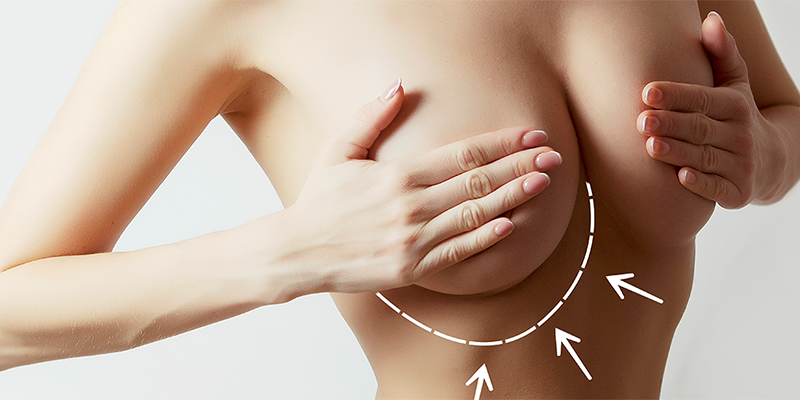
Breast augmentation is a surgical cosmetic procedure performed to increase the volume of the breasts.
This procedure is usually performed using silicone implants or the patient’s own fat tissue. It is preferred by individuals dissatisfied with their breast volume to achieve aesthetic and psychological satisfaction. It is frequently applied to individuals who have experienced volume loss due to pregnancy, weight loss, or genetic reasons. This surgical procedure should be performed by expert plastic surgeons. It is planned taking into account the individual’s body structure, expectations, and health status. A permanent and effective result is obtained.
Why is breast augmentation surgery performed?
Breast augmentation surgery is performed to increase the volume of the breasts and to provide a more proportionate body appearance.
Women may experience aesthetic concerns due to insufficient breast volume. This is often chosen for reasons such as inadequate natural development, postpartum shrinkage, or asymmetry. It is also performed to boost self-confidence and improve body image. With personalized planning, both a natural look and ideal body proportions can be achieved. This aesthetic procedure is widely preferred due to its lasting results.
How is Breast Augmentation Performed?
Breast augmentation is performed under general anesthesia using silicone implants or fat injection.
The implant method is the most common and is performed through small incisions made under the breast, in the armpit, or around the nipple. Silicone implants are placed under the muscle or under the breast tissue. In fat injection, fat taken from another part of the body is injected into the breast. Both methods aim for a natural and proportionate appearance. The operation usually takes 1-2 hours, and patients can be discharged the same day. The recovery process is short, and permanent results are achieved.
Silicone Implants or Fat Injection?
Silicone implants provide more pronounced volume, while fat injections offer a natural, limited enlargement.
While silicone implants provide permanent, symmetrical, and noticeable results, fat injection offers a softer, more natural look. The individual’s body structure, expectations, and existing breast tissue determine the method. Sufficient body fat is required for fat injection, but the volume increase is generally limited. Silicone implants allow for faster achievement of the desired shape. The most suitable method should be chosen after expert evaluation.
Who is a suitable candidate for breast augmentation surgery?
Breast augmentation surgery is suitable for individuals who have completed their physical development and are dissatisfied with the size of their breasts.
This procedure is generally performed on individuals over 18 years of age who are in good general health. Reasons for this operation may include developmental deficiencies, postpartum volume loss, weight changes, or asymmetries. Before surgery, the individual should clearly communicate their expectations and goals to the specialist doctor. Planning can be adjusted for individuals planning pregnancy or breastfeeding. An individual assessment is necessary for each patient.
Are there non-surgical breast enlargement methods?
Yes, there are non-surgical breast augmentation methods; however, their effects are limited and temporary.
Radiofrequency ablation, filler injections, vacuum therapies, and exercise are frequently preferred methods. However, these procedures generally do not provide permanent growth, only offering temporary tightening or fullness. While aesthetic filler methods add volume in the short term, they require repetition. Exercises, on the other hand, can strengthen chest muscles, creating a visually fuller appearance. For permanent results, surgical methods are more effective. The choice should be made according to the individual’s needs.
What is the recovery process like after breast augmentation surgery?
The recovery process after breast augmentation is usually complete within 1-2 weeks.
Mild pain, swelling, and tenderness may occur in the first few days after surgery. Patients are usually discharged the same day and can return to daily activities within a few days. Wearing a special bra helps reduce swelling and ensures the correct positioning of the implants. Strenuous exercise should be avoided for the first month, and doctor’s recommendations should be followed. Full healing and final appearance may take 6–8 weeks. Regular check-ups ensure a smooth process.
How to Achieve Natural-Looking Breast Enlargement?
Natural-looking breast augmentation is achieved through the selection of implants that match body proportions and the correct technique.
The surgeon plans the procedure taking into account the breast tissue, rib cage structure, and patient expectations. Teardrop-shaped silicone implants and submuscular placement are frequently preferred for a natural result. Additionally, small-volume implants or fat injections enhance naturalness by providing smooth transitions. Making incisions in aesthetically pleasing areas reduces the appearance of scars. Customized procedures performed by expert surgeons provide a more natural look.
Is Breast Augmentation Surgery Risky?
Breast augmentation surgery is considered low-risk, but as with any surgical procedure, some complications can occur.
The most common risks are infection, bleeding, capsule contracture, and prosthesis displacement. These risks are significantly reduced when the procedure is performed in a sterile environment by an experienced surgeon. Following postoperative recommendations positively impacts the healing process. Prostheses are generally safe and can be used without problems for many years. A preliminary consultation and detailed examination are essential for risk assessment.
Do breastfeeding and breast augmentation surgery affect each other?
Yes, breastfeeding and breast augmentation surgery can interact; surgery should be planned after pregnancy and breastfeeding.
Breast augmentation using implants or fat injections involves interfering with breast tissue; this can affect milk ducts and breastfeeding. For individuals planning to breastfeed, it is more appropriate to perform the surgery after childbirth and breastfeeding. Before surgery, the breastfeeding history, milk production capacity, and breast anatomy are evaluated by the doctor. Surgery is not recommended during breastfeeding because hormonal changes can cause swelling and tenderness in the breasts. It is preferable to wait until the postpartum period is complete and the breast tissue has stabilized. This ensures healthier aesthetic and functional results.
What precautions should be taken after breast augmentation surgery?
Following breast augmentation surgery guidelines is crucial for a successful recovery and a comfortable experience.
Mild pain, swelling, and tenderness are normal in the first few days after surgery; prescribed medications should be taken regularly. A supportive bra should be used to support the placement of the implants and reduce swelling. During the rest period recommended by your doctor, strenuous exercise, heavy lifting, and sudden movements should be avoided. The wound areas should be cleaned gently, and hygiene rules should be followed to reduce the risk of infection. Regular check-ups should be performed, and the doctor should be contacted immediately in case of any complications. Activities should be increased gradually over the first 6-8 weeks. Adherence to the healing process is critical for lasting and aesthetically pleasing results.
Breast Augmentation Prices 2026
Breast augmentation prices in 2026 generally range between 4,000₤ and 5,000 ₤ depending on the clinic chosen, the surgeon’s experience, and the methods selected.
Frequently Asked Questions (FAQ)
How long does breast augmentation surgery take?
Breast augmentation surgery usually takes between 1 and 2 hours.
The duration of the operation can vary depending on the technique chosen, the placement of the prosthesis, and the surgeon’s experience. Patients can be discharged the same day after the procedure, which is performed under anesthesia. Pre-operative preparations and post-operative observation time may also be included in the total time. It is generally a safe procedure that is completed quickly. A preliminary consultation with the surgeon is important to plan the procedure without prolonging the operation time.
Is there a risk of silicone rupture?
The risk of silicone implants rupturing is very low; with modern technologies, this is quite rare.
In certain circumstances, such as severe impacts, accidents, or wear and tear over time, rupture can occur. However, modern silicone implants generally contain “cohesive gel,” so they do not leak even in the event of a rupture. The implant’s condition can be monitored during routine checkups. If necessary, implant replacement can be performed safely. The use of high-quality implants and correct surgical techniques minimize this risk. With good planning and medical supervision, it is not a cause for concern.
Will there be a scar after the surgery?
Breast augmentation surgery can leave scars, but these scars are usually very faint depending on the surgical technique.
Scars are usually located in hidden areas such as the inframammary fold, armpit, or around the nipple. With modern suturing techniques, scars fade over time and blend in with skin tone. Regular dressing changes, sun protection, and creams recommended by your doctor further reduce the appearance of scars. The healing process varies from person to person, but with careful care, they will be reduced to a level that is aesthetically pleasing. With the right technique, the scar problem can be minimized.
When can you start exercising?
Exercise can usually be resumed 4-6 weeks after breast augmentation surgery.
In the first few days, only light walking is allowed, while strenuous exercises and movements that strain the chest muscles should be avoided after the 6th week. A special support bra should be used, and sudden arm movements should be avoided. Adhering to the timeframe recommended by your doctor accelerates healing and prevents the implant from shifting position. The timeframe may vary for each patient, so individual monitoring is important. Gradual return is the safest approach.
Will a follow-up procedure be necessary after childbirth?
Breast shape may change after childbirth, but a repeat procedure is not always necessary.
Pregnancy and breastfeeding can lead to volume loss, sagging, or shape changes in breast tissue. These conditions may necessitate aesthetic correction in some patients. However, in many cases, the implant remains intact and no further intervention is required. For those dissatisfied with the appearance of their breasts, revision surgery may be planned. Each postpartum check-up should be guided by the surgeon’s assessment. The need for a repeat procedure depends on individual preference and physical condition.
How often should dentures be replaced?
Modern silicone breast implants generally do not require replacement for 10–15 years or even longer.
Modern, high-quality implants are quite durable and can last a lifetime. However, the condition of the implant, its compatibility with the body, and patient satisfaction should be monitored with regular check-ups. Replacement may be necessary in cases of deformation, capsule formation, or shape changes over time. Replacement is not mandatory unless there is any discomfort or aesthetic problem. Routine doctor check-ups are important for long-term results.
How to decide between different body sizes?
Breast implant size is determined in consultation with a specialist physician, taking into account the individual’s body type, breast tissue, and aesthetic goals.
The surgeon recommends the most suitable volume by evaluating the patient’s shoulder width, rib cage structure, and skin elasticity. Excessively large implants can impair the natural appearance, while smaller volumes may not provide the desired effect. Three-dimensional simulation, trial implants, and photographic samples can also help in determining the size. The individual’s lifestyle and long-term comfort should also be considered. The decision-making process is planned with patient satisfaction and the goal of achieving a natural result.
Is Breast Augmentation a Permanent Procedure?
Breast augmentation provides a permanent effect; however, implants are not guaranteed for life, so replacements may be necessary over time.
Modern silicone implants are long-lasting and can be used for 10–15 years or even longer. However, factors such as body changes, childbirth, weight loss, or aging can affect breast shape. Deformations that may occur over time or changes in aesthetic expectations may necessitate revision surgery. The condition of the implant should be monitored with regular check-ups after the procedure. In short, although the result is long-lasting, it is not guaranteed to remain stable for life.