



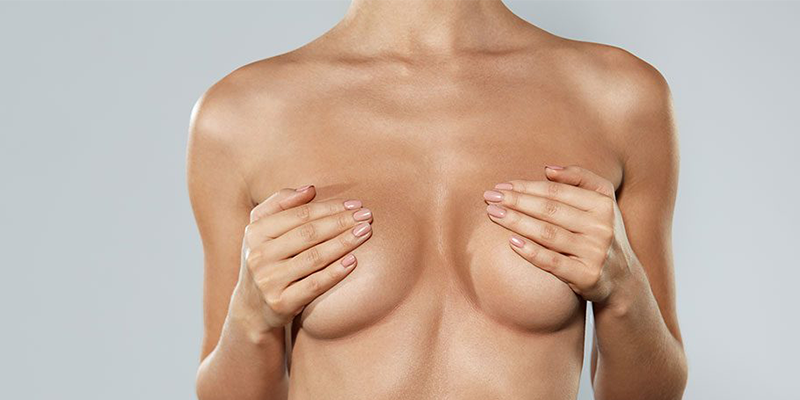
What is breast reduction surgery?
Breast reduction surgery is a surgical procedure that reduces the size of excessively large and sagging breasts for both aesthetic and health reasons.
This procedure aims to reshape the breasts by removing excess breast tissue, fat, and skin, resulting in a more proportionate, firm, and aesthetically pleasing shape. The nipple is also repositioned to its ideal location. Breast reduction surgery is performed not only for aesthetic reasons but also to alleviate physical discomfort caused by large breasts. Complaints such as back and neck pain, postural problems, and bra lines are significantly reduced after this procedure. It is a surgery that improves women’s quality of life, positively impacts their self-confidence, and offers lasting results.
What problems can large breasts cause?
Large breasts can lead to numerous physical and psychological problems over time, negatively impacting quality of life.
Shoulder, back, and neck pain are among the most common physical complaints. Prolonged weight puts pressure on the spine and can lead to postural problems. Skin problems such as bra strap marks, chafing, and irritation under the breasts are also common. Difficulty exercising, problems choosing clothes, and discomfort in social situations affect individuals psychologically. For these reasons, breast reduction surgery becomes not only an aesthetic but also a functional necessity.
Why is breast reduction surgery performed?
Breast reduction surgery is performed to eliminate the physical discomfort and aesthetic concerns caused by large breasts.
The goal of breast reshaping is to reduce pain, improve posture, and enhance quality of life. It also makes clothing choices easier and boosts self-confidence. Excess tissue is surgically removed, and a breast lift is performed to achieve an aesthetically pleasing shape. Large breasts, a problem that often develops from puberty, can become more pronounced over time. This procedure offers a long-term, highly satisfactory solution for women of all ages.
How is breast reduction surgery performed?
Breast reduction surgery is a procedure that reduces the size of the breasts by removing excess breast tissue, fat, and skin.
During the operation, the nipple is repositioned, giving the breast a more upright and proportionate shape. It is usually performed under general anesthesia. The surgeon chooses the most suitable technique for the patient from inverted T, lollipop, or vertical techniques. The incision scars fade over time. The operation is performed for both aesthetic and functional purposes. The recovery process varies from person to person, but most patients can return to their daily lives within a few weeks.
Who can have breast reduction surgery?
Anyone who is bothered by large breasts, whether physically or aesthetically, can have breast reduction surgery.
This procedure is suitable for individuals experiencing back and shoulder pain, postural problems, or skin issues. It is generally preferred for individuals aged 18 and over. It is important that the breasts have completed their development. There are also suitable options for those planning a pregnancy or wishing to have the procedure after breastfeeding. General health status is assessed before the surgery. Having realistic expectations is crucial for a successful outcome.
How long does breast reduction surgery take?
Breast reduction surgery is a surgical procedure that typically lasts between 2 and 4 hours.
The duration of the procedure can vary depending on the size of the breast, the technique used, and the individual circumstances. The procedure may take longer for larger breasts. Achieving symmetry, nipple positioning, and aesthetic shaping during the operation can also take time. The surgeon’s experience and the operating conditions also affect the process. The hospital stay after surgery is usually one day. Full recovery may take several weeks, but most people can return to their social lives quickly.
Recovery Process After Breast Reduction Surgery
The recovery process after breast reduction surgery is usually completed within 2 to 6 weeks.
In the first few days, mild pain, swelling, and bruising may occur, but these can be controlled with medication prescribed by your doctor. Wearing a special post-operative bra supports healing. You can gradually return to daily activities within the first week. It is important to avoid physically demanding work for a few weeks. The stitches usually dissolve on their own or are removed within 10-14 days. Although full recovery varies from person to person, the results are lasting and satisfying.
Will there be scars after breast reduction surgery?
Breast reduction surgery can result in permanent scars from surgical incisions, which fade over time.
Scars can be located under the breast, around the nipple, or along a vertical line, depending on the technique used. Inverted T or lollipop incisions are commonly used. During the healing process, scars initially appear pink and gradually blend in with the skin. With proper dressing, creams, and sun protection, the scars become less noticeable. The surgeon’s experience and your skin type also affect the appearance of the scars. In aesthetic procedures, scars are often not a significant problem.
Will breastfeeding ability be preserved?
In breast reduction surgery, the ability to breastfeed can usually be preserved, depending on the surgical technique used.
Modern techniques aim to preserve the nipple and milk ducts as much as possible. However, in some cases, particularly with large-scale reductions, this ability may be partially diminished. Individuals who wish to breastfeed after childbirth must discuss this with their surgeon before surgery. The surgeon will take care to choose the appropriate method that preserves breastfeeding function. Preserving breastfeeding ability is directly related to individual anatomy, surgical approach, and the healing process.
Is Breast Reduction Surgery Risky?
Breast reduction surgery, when performed by an expert surgeon and under the right conditions, is considered a low-risk surgical procedure.
As with any surgical procedure, there are risks such as infection, bleeding, complications related to anesthesia, or wound healing problems. A detailed preoperative medical evaluation and appropriate patient selection significantly reduce these risks. Furthermore, the surgeon’s experience, sterile operating room conditions, and the patient’s adherence to postoperative recommendations also lower the likelihood of complications. Rarely, changes in sensation or scarring may occur after breast reduction surgery; these usually improve over time. A planned and careful approach is key to safe and satisfactory results.
Breast Reduction Surgery Prices 2026
In 2026, the price of breast reduction surgery generally ranges from 3,000 ₤ to 9,000 ₤ depending on the surgeon’s experience, clinic equipment, and the scope of the operation.
Frequently Asked Questions (FAQ)
Can breasts grow back after breast reduction surgery?
After breast reduction surgery, breasts usually maintain their reduced shape, but they can regrow due to weight gain, hormonal changes, or pregnancy.
Excess tissue surgically removed is stabilized, but weight gain can affect breast tissue, leading to increased volume. Pregnancy and breastfeeding can also cause breast tissue to regrow due to hormonal changes. Therefore, maintaining a stable weight and a healthy lifestyle helps preserve the long-term result. Although postoperative growth is not expected, these natural factors can influence the outcome. The process should be monitored with follow-up appointments recommended by your doctor.
Will insurance cover this surgery?
Yes, insurance may cover breast reduction surgery if there is a medical necessity.
If large breasts are causing back, neck, and shoulder pain, and this has been documented with physical therapy and medical reports, some private and social security-backed insurance systems may cover the costs. However, cosmetic procedures are generally not covered. Contacting your insurance company beforehand and providing the necessary documents will help clarify the process.
How to Choose a Bra After Breast Reduction Surgery?
A special medical bra should be used after surgery, ensuring it is wire-free and provides adequate support.
In the first few weeks, to reduce swelling, maintain shape, and accelerate healing, special bras recommended by your doctor should be preferred. Seamless, snug-fitting bras made from cotton, breathable fabrics support healing. The bra should be worn regularly for approximately 6 weeks. This period is important for the permanence of aesthetic results.
Will the sensation in the nipple disappear?
Yes, temporary loss of sensation around the nipple can occur; it is rare for it to be permanent.
Numbness or decreased sensation around the nipple may occur due to the intervention on nerve endings during surgery. This usually returns to normal within the first few months. The risk of permanent loss of sensation is very low and is often reduced with nerve-sparing techniques. The surgeon’s experience is the most important factor in this regard.
When can I start exercising after surgery?
Light exercises can be started after the 4th week following breast reduction surgery.
To ensure a healthy recovery, strenuous physical activity should be avoided for the first 2-3 weeks. Exercises that strain the arm and chest muscles are not recommended before the 6th week. Light exercises such as walking can be done earlier with your doctor’s approval. You must consult your doctor before returning to your sports routine.