


What is Body Shaping?
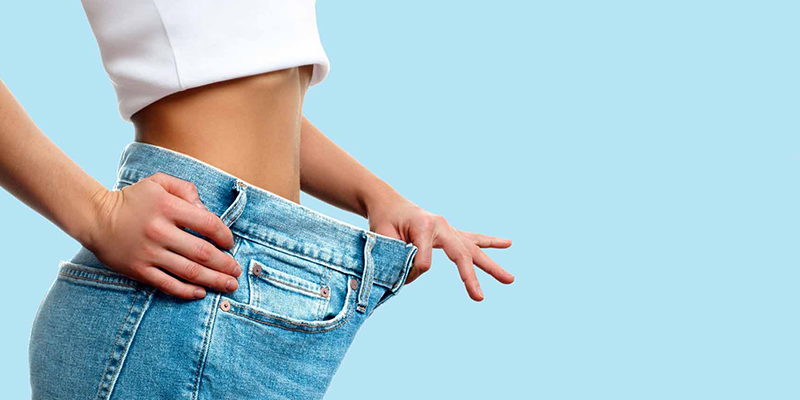
Body contouring refers to surgical and non-surgical procedures performed to correct body contours and achieve proportion.
These procedures are performed to reduce localized excess fat, tighten sagging skin, and give the body a more aesthetic appearance. Liposuction, tummy tucks, and buttock augmentation are common operations. Body shaping is applicable to both women and men. The goal of these individually planned procedures is to achieve a firmer, more balanced, and fitter appearance.
Why is body shaping done?
Body shaping is done for aesthetic reasons, to eliminate localized excess fat, and to balance body proportions.
It is preferred for correcting sagging skin after weight loss, eliminating postpartum deformities, or aesthetically improving areas that cannot be shaped through exercise. With personalized planning, a more natural and symmetrical appearance is achieved. Besides its aesthetic purposes, in some cases it also supports the individual’s psychological well-being. It is a procedure that increases self-confidence.
Which areas does body shaping cover?
Body shaping procedures cover many areas, including the abdomen, waist, hips, buttocks, thighs, arms, and back.
This also includes buttock aesthetics, gynecomastia (male breast reduction), and arm and leg lifts. Treatment areas are determined based on skin elasticity, fat percentage, and the individual’s goals. If necessary, combined procedures can be performed on multiple areas. The treatment area is planned according to individual analysis and aesthetic proportions. The aim is to achieve a symmetrical appearance while maintaining overall body integrity.
What are the body shaping methods?
Body shaping methods include liposuction, abdominoplasty (tummy tuck), leg lift, and non-surgical technological procedures.
While surgical methods offer permanent solutions for sagging and excess fat, non-surgical techniques such as radiofrequency, HIFU, and cryolipolysis are effective for mild deformities. Technologies like Vaser and laser liposuction allow for more precise fat removal. Which method to apply is determined according to skin type, target area, and the individual’s expectations. A personalized plan should be created for highly lasting results.
Differences Between Surgical and Non-Surgical Body Shaping
Surgical body contouring offers permanent results, while non-surgical methods provide temporary and less severe effects.
Surgical procedures involve removing excess skin and fat, and their effects are long-lasting. However, the recovery period is longer, and scarring may occur. Non-surgical methods, on the other hand, aim to tighten the skin and reduce the size of fat cells using techniques such as radiofrequency and cryolipolysis. Because these procedures are non-invasive, a quicker return to social life is possible. The duration of these effects varies depending on skin type and lifestyle. The choice is determined by expectations and the degree of deformation.
Who is body shaping suitable for?
Body shaping is suitable for healthy individuals who are close to their ideal weight and are unhappy with localized excess fat.
Those experiencing sagging skin after sudden weight loss, those seeking to restore their body shape after childbirth, or those wanting to improve areas that haven’t been shaped by diet and exercise can benefit from these procedures. Individuals in good general health and who don’t smoke are generally better suited for surgical procedures. Non-surgical techniques, on the other hand, appeal to a wider audience. Having realistic expectations increases the chances of success.
Is Body Shaping Permanent?
Yes, surgical body contouring procedures are permanent; however, maintaining the effects depends on lifestyle.
Fat cells removed through procedures like liposuction and tummy tucks do not regenerate. However, if a person gains weight, the remaining cells may grow. The effects of non-surgical procedures are limited in duration and should be supported by regular sessions. Healthy eating and exercise can help maintain results for a longer period. While the duration of results varies depending on individual factors, post-operative care is also important.
Recovery Process After Body Shaping
The recovery process after body contouring varies depending on the method; it takes 2-4 weeks with surgery and a few days with non-surgical procedures.
Swelling, bruising, and mild pain are normal after surgical procedures, and compression garment use is recommended. Non-surgical procedures generally do not require rest, and individuals can quickly return to social life. Results may take 1 to 3 months to become clear. To speed up healing, smoking, alcohol, and strenuous activity should be avoided. Following your doctor’s recommendations will positively impact the recovery process.
What is the difference between liposuction and body contouring?
Liposuction, on the other hand, only targets fat removal, while body shaping aims to regulate overall form and proportion.
Liposuction surgically removes localized fat deposits; this procedure can be part of body contouring. However, body contouring also includes procedures such as abdominoplasty and limb aesthetics. Therefore, body contouring is more comprehensive and improves overall aesthetic proportions. Liposuction is primarily used for contour correction, while contouring aims for structural harmony. It can be applied individually or in combination, depending on the need.
What precautions should be taken after body shaping surgery?
After body shaping, the use of a compression garment and the rest period directly affect the quality of recovery.
In the first few days, strenuous activities should be avoided, and the medication and care recommendations given by the doctor should be followed completely. Swelling and bruising may occur after surgical procedures; the process should be monitored with regular check-ups. Although results are seen faster with non-surgical methods, a healthy lifestyle is essential for lasting effects. Adequate water intake, a balanced diet, and a smoke-free life will positively affect the outcome in the long term. Personal planning is important.
Body Shaping Prices 2026
In 2026, body contouring prices will range from 2,000 ₤ to 9,000 ₤ depending on the type of treatment and the area being treated.
Frequently Asked Questions (FAQ)
Does body shaping help with weight loss?
Body shaping doesn’t cause weight loss; however, it defines body contours by reducing localized fat deposits.
These procedures help remove stubborn fat that cannot be eliminated through diet and exercise. Surgical methods, such as liposuction, permanently remove fat cells. However, this is not a weight loss method, but rather an aesthetic correction procedure. Individuals with weight problems should first aim to reach their ideal weight, and then plan shaping procedures. The permanence of the results depends on healthy lifestyle habits.
Which areas are most commonly treated with body shaping treatments?
Body shaping is most commonly applied to the abdomen, waist, hips, buttocks, back, arms, and legs.
These areas are where fat accumulation and deformation are most common. In women, the abdomen, waist, and hips are usually the most prominent areas, while in men, the chest and abdominal regions are more frequently targeted. The treatment area is determined according to the individual’s body structure and goals. The procedure is planned individually to improve aesthetic proportions and increase symmetry. If necessary, multiple areas can be treated simultaneously.
How long do body shaping sessions last?
Non-surgical body shaping sessions typically last between 30 and 60 minutes.
Session duration varies depending on the method used and the size of the area being treated. For example, radiofrequency or cryolipolysis treatments may take an average of 45 minutes. Generally, courses of 4-6 sessions, scheduled weekly, are recommended. Surgical procedures, on the other hand, can take several hours and are completed in a single session. Adhering to the number of sessions is important for long-term results. Treatment planning is tailored to each individual, based on their body type and goals.
Can men also get body shaping treatments?
Yes, men can also benefit from body shaping procedures, and the results are generally quite successful.
The most commonly targeted areas for these procedures in men are the abdomen, chest (gynecomastia), waist, and back. Men with excess fat or sagging skin that cannot be eliminated through exercise can achieve a fitter appearance with these procedures. Techniques tailored to the male body type are used to achieve natural and proportionate results. Personal goals can be achieved through surgical or non-surgical methods. Expert evaluation before the procedure is mandatory.
Is Body Shaping Painful?
Non-surgical body contouring is generally painless; surgical procedures, however, may cause mild pain and tenderness.
During the procedure, comfort is ensured using local anesthesia or cooling technologies. In surgical procedures, pain and swelling are normal for the first few days, but can be controlled with medication. While people can return to their daily lives immediately with non-surgical methods, the recovery period is somewhat longer with surgical procedures. Experience may vary from person to person depending on pain threshold and the area of application.
Is it possible to see results in a single session?
Surgical body contouring procedures usually yield results in a single session, while non-surgical methods may require multiple sessions.
Permanent results can be achieved in a single treatment with procedures like liposuction. However, non-invasive techniques such as cryolipolysis, radiofrequency, or ultrasound require several sessions because the fat cells need to be broken down over time. It may take between 2 and 6 weeks for the effects to become visible. The permanence and success of the results are closely related to the regularity of the treatment and the individual’s metabolism.
Can body shaping solve the problem of sagging skin?
Yes, body shaping procedures can reduce sagging skin, and some methods can even eliminate it completely.
Surgical methods (tummy tuck, arm/leg lift) correct sagging by removing excess skin. Non-surgical techniques, on the other hand, achieve tightening by stimulating subcutaneous collagen production. Devices such as radiofrequency and HIFU are effective for mild sagging. Surgical intervention is usually required for more severe sagging. The appropriate method should be determined according to the degree of sagging and skin elasticity.
Should it be supported by diet and exercise?
Yes, supplementing body shaping procedures with diet and exercise is crucial for maintaining lasting results.
Although the fat cells removed during the procedure do not return, an unhealthy lifestyle can cause the remaining cells to grow. A balanced diet, regular exercise, and maintaining an ideal weight are essential for both aesthetic appearance and overall health. Attention to lifestyle habits is particularly important for maintaining the effects of non-surgical procedures. These supportive steps increase the success of the procedure.