



What is Exosome Therapy?
Exosome therapy is an innovative biological treatment method that uses microparticles that facilitate intercellular communication to promote tissue regeneration.
In this treatment, exosomes, which carry the body’s natural communication signals for cells, are isolated and injected into the target area. Exosomes contain growth factors, proteins, and genetic messages, which accelerate tissue repair and promote cell renewal. Although it works similarly to stem cell therapy, it carries cellular signals instead of cells. It can be used in many areas such as aesthetics, hair treatment, skin rejuvenation, and tissue repair. Its minimally invasive nature shortens recovery time.
What are the functions of exosomes?
Exosomes enhance intercellular communication, supporting tissue repair, regeneration, and immune regulation.
Cells in the body share messages, proteins, and genetic material via exosomes, which coordinate cellular functions. Exosomes enhance the self-healing capacity of tissues, reduce inflammation, and stimulate new cell production. They play a particularly important role in repairing damaged tissues or those showing signs of aging. They can be used to strengthen hair follicles, increase skin elasticity, and accelerate wound healing. Exosomes are natural biomolecules that act at the cellular level.
For what purposes is exosome therapy used?
Exosome therapy is used for many aesthetic and medical purposes, such as hair loss, skin rejuvenation, and tissue regeneration.
When applied to the scalp, it revitalizes hair follicles, reduces hair loss, and promotes new hair growth. In skin rejuvenation, it increases elasticity, reduces wrinkles, and promotes tissue repair. It also shows positive effects on scars, acne marks, and skin problems related to inflammation. It can also be used to support tissue healing in orthopedic problems. Exosome therapy is a modern biological approach that aims for renewal at the cellular level.
How is Exosome Therapy Performed?
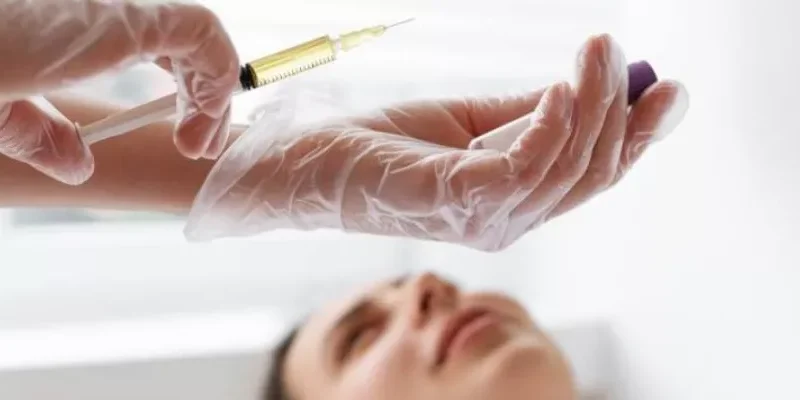
Exosome therapy is performed by microinjecting isolated exosomes into the target tissue.
In the first step, exosomes are isolated in a laboratory from the cells that are the source of exosomes (usually stem cell-producing cells). These cellular signal packets are then prepared and administered to the treatment area via microinjection under local anesthesia. This procedure can be performed on the scalp, facial skin, or other tissue areas. The procedure is generally short and minimally invasive. Recovery time is short; the effect increases over time, and tissue regeneration is supported. Adherence to the doctor’s recommendations increases the success of the treatment.
In which regions is exosome therapy used?
Exosome therapy can be applied to the scalp, face, neck, hands, décolleté, and areas with scars.
It is applied to the scalp to prevent hair loss and strengthen hair. It provides skin rejuvenation, wrinkle reduction, and increased elasticity in the face, neck, and hands. It is also preferred in the treatment of aesthetic problems such as acne scars, skin blemishes, and other scars. It is effective against signs of aging such as fine lines, dullness, and uneven skin tone. In some cases, it is combined with PRP or mesotherapy to enhance the effect. The treatment area is determined according to individual needs.
Who is a suitable candidate for exosome therapy?
Exosome therapy is suitable for healthy individuals experiencing skin aging, hair loss, or uneven skin tone.
Individuals experiencing premature signs of aging, sagging skin, wrinkles, thinning hair, or hair loss may benefit from this treatment. It is also suitable for those who want to correct skin imperfections such as acne scars, sun damage, and other scars. Because the procedure is minimally invasive, it is well-tolerated by most people. However, it is not recommended for pregnant or breastfeeding women, or individuals with active infections. It should be performed after a personal assessment and with expert approval.
Is Exosome Therapy Effective Against Hair Loss?
Yes, exosome therapy reduces hair loss and strengthens hair follicles, promoting new hair growth.
Exosomes reach hair follicles, accelerating cellular repair and promoting healthier hair growth. This process reduces hair loss while improving the quality of existing hair. It also creates a suitable environment for new hair regrowth. It may be particularly effective in individuals who do not respond well to PRP treatments. It offers positive results in male pattern baldness, stress-induced hair loss, and thinning hair structures. The effects begin within a few weeks and increase with regular applications.
How does exosome therapy work in skin rejuvenation?
Exosome therapy renews skin cells, restoring elasticity and reducing wrinkles.
Exosomes deliver growth factors and genetic signals to skin cells, increasing collagen and elastin production. This accelerates skin tissue renewal, resulting in a younger, more vibrant appearance. Fine lines are reduced, skin tone is evened out, and pores are tightened. It also activates the cells’ own healing process, offering a long-lasting effect. It is commonly used on areas showing signs of aging, such as the face, neck, décolleté, and hands. It strengthens the skin’s natural repair mechanism.
What are the differences between PRP, SVF, and exosome therapy?
PRP, SVF, and exosome therapies all aim for cellular regeneration, but their sources, concentrations, and mechanisms of action differ.
PRP (Platelet-Rich Plasma) is platelet-rich plasma obtained from the patient’s own blood ‑and supports tissue repair with growth factors. SVF (Stromal Vascular Fraction), on the other hand, is a richer cellular mixture containing stem cells, mesenchymal cells, and growth factors isolated from adipose tissue; therefore, it provides a deeper effect in tissue regeneration. Exosome therapy contains microvesicles that facilitate intercellular communication and stimulates regeneration by increasing cellular signals. While PRP has a more superficial effect, SVF and exosomes create a more intense biological response. Which treatment is appropriate should be determined by a specialist physician according to the application area and target.
How many sessions of exosome therapy are needed?
Exosome therapy is typically planned for 1 to 3 sessions and is personalized according to treatment goals.
One session initiates sufficient signs of improvement in most cases; effects are felt within a few weeks, especially in treatments such as skin rejuvenation or hair loss. In some cases, 2–3 sessions are recommended for more noticeable results, and sessions are usually spaced 2–4 weeks apart. Skin elasticity can increase and hair follicles can strengthen from the first session. Completing the entire plan is important for achieving maximum effect. The duration of post-treatment effects may vary depending on the patient’s age, goals, and initial condition. A personalized treatment plan should be created with the evaluation of a specialist physician.
Is Exosome Therapy Safe? Are There Any Side Effects?
Exosome therapy is generally a safe procedure with a low risk of serious side effects.
Depending on the source and treatment protocol, side effects are usually mild and transient. Short-term redness, mild tenderness, or minimal swelling may occur at the application site; these effects disappear quickly after treatment. Exosomes are generally prepared sterilely and, because they are biocompatible, the risk of immune reaction is low. To minimize the risk of infection, application should be performed in hygienic environments. Although serious complications are rare, it is recommended that individuals with chronic diseases or immune system problems be evaluated by a specialist physician. It is a safe and effective regenerative treatment option.
Exosome Therapy Prices 2026
Prices for exosome therapy in 2026 generally range from 3,000 ₤ to 6,000 ₤ per session.
Frequently Asked Questions (FAQ)
Does Exosome Therapy Cause Pain?
Exosome therapy is generally painless, and the procedure is made comfortable with a local anesthetic cream.
A slight stinging sensation may occur during the procedure, but most people tolerate it comfortably. Exosomes are administered via microinjection, and the procedure is quick, resulting in high patient comfort. Any redness or mild swelling that may occur afterward is usually temporary. Anesthetic creams used before treatment minimize potential discomfort. Severe pain or discomfort is rare. A slight burning sensation may be experienced after application in sensitive skin, but this subsides within a few hours.
Do exosomes promote hair growth?
Yes, exosomes stimulate hair follicles, promoting new hair growth and reducing hair loss.
Exosome therapy stimulates hair follicle regeneration by increasing cellular communication in the scalp. These building blocks, containing growth factors and genetic signals, activate inactive hair follicles. This improves hair quality, thickens thinning hair, and encourages new hair growth. It is particularly effective in common hair loss types such as androgenetic alopecia. If the treatment is applied in regular sessions, a significant increase in hair density can be achieved. It is also used as a supportive treatment after hair transplantation.
When do the effects on the skin appear?
The effects of exosome therapy on the skin usually begin to appear within 2 to 4 weeks.
In the first few days, a slight increase in skin vitality and moisture is noticeable. Over time, collagen production increases, resulting in firmer skin, brighter complexion, and a reduction in fine lines. Maximum results are usually seen between 4-8 weeks. As the skin’s renewal process continues, the results become more pronounced. With regular application, these effects can be maintained for a long time. Skin tone evens out, pores tighten, and overall skin quality improves. The duration of the effect may vary depending on age, lifestyle, and the area treated.
Is Exosome Therapy Permanent?
The effects of exosome therapy are long-lasting but not entirely permanent and should be continued with supportive sessions.
The treatment triggers cellular renewal, thereby providing near-permanent effects on skin or hair health. However, as the aging process continues, the effects may diminish over time. Repeated sessions every 6 to 12 months help maintain the results. Consistency is especially important for ongoing problems such as hair loss or loss of skin elasticity. The permanence of the treatment can vary depending on the individual’s genetic makeup, lifestyle, and post-treatment care.