



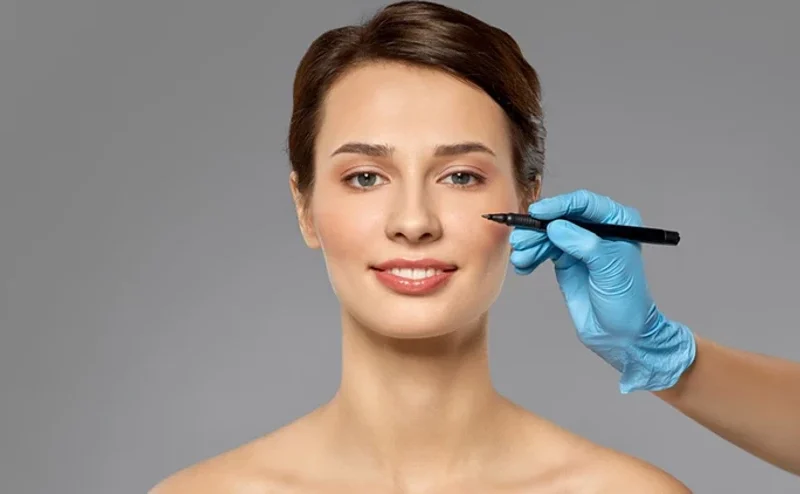
What is cheek filler?
Cheek filler is an aesthetic injection procedure performed to add volume to the cheeks and accentuate facial features.
This method, usually performed with hyaluronic acid fillers, corrects the sunken appearance of the cheeks and makes the face look younger. It is an effective solution for volume loss due to weight loss or the effects of aging. It is also used to emphasize the V-shape of the face. The procedure is completed quickly, is non-surgical, and offers natural-looking results. The person can immediately return to their daily life after the application. Its effect lasts approximately 12-18 months.
Why are cheek fillers used?
Cheek fillers are used to make the face look younger and fuller, to fill in hollows, and to accentuate facial features.
Volume loss in the cheeks due to aging, weight loss, or genetics can give a person a tired and sagging expression. Fillers can add volume to these areas, resulting in a more balanced and vibrant facial profile. They are also preferred for highlighting cheekbones and tightening the facial contours. Filler treatments offer quick and effective results without requiring surgical intervention. They provide advantages in terms of both aesthetic appearance and facial symmetry.
How is cheek filler applied?
Cheek fillers are applied by injecting hyaluronic acid-based fillers into the cheek area using a fine needle or cannula.
Before the procedure, the area is numbed with a local anesthetic cream to ensure patient comfort. The specialist determines the amount of filler and the injection points based on facial analysis. The injection is performed using a layered or pinpoint technique to add volume to the cheeks. The procedure usually takes 20-30 minutes, and the effects are immediately noticeable. Mild swelling or redness may occur after the procedure; these effects subside quickly. The results provide a natural, symmetrical, and balanced facial appearance.
In what situations are cheek fillers preferred?
Cheek fillers are preferred when the face has lost volume, when hollowness has occurred, or when the cheekbones need to be more prominent.
This procedure may be necessary for cheek hollowing after weight loss, or for age-related decreases in skin elasticity or sagging. It is also suitable for individuals who want to clarify facial features, define contours, and achieve a more youthful appearance. It can also be used to restore balance in asymmetrical facial structures. It offers effective results quickly without the need for surgery. With filler application, the overall aesthetic balance of the face is maintained, resulting in a more vibrant and healthy look.
Who is a suitable candidate for cheek fillers?
Cheek fillers are suitable for healthy individuals experiencing volume loss who wish to accentuate their facial features.
It is generally suitable for individuals over 20 years of age who do not have serious skin diseases or chronic conditions. It provides effective results in individuals whose cheeks appear lacking volume, sunken, or sagging. It is a good option for those who want a fuller, more vibrant, and symmetrical face. It can be applied to create sharper lines in men and softer lines in women. A personalized plan should be made with a doctor’s evaluation before the procedure.
How long do cheek fillers last?
The effects of cheek fillers typically last between 12 and 18 months, depending on the filler used.
Hyaluronic acid-based fillers are absorbed by the body over time. Their duration can vary depending on the individual’s skin type, age, metabolism, and lifestyle. Exercise, smoking, or excessive sun exposure can shorten the lifespan of the filler. While the effect may be shorter in the initial applications, repeat treatments can extend its duration. Regular check-ups and proper care can maintain the effect of the filler for a longer period. Applications performed with high-quality products and experienced physicians provide more lasting results.
What kind of changes occur in the face after cheek filler injections?
After cheek filler treatment, the face looks fuller, younger, and more symmetrical; the cheekbones become more prominent.
Fillers correct sunken areas in the cheeks, making facial features more balanced and aesthetically pleasing. A rejuvenated, vibrant, and rested expression is achieved. Significant improvement is observed, particularly in the side profile. Mild swelling may occur after the procedure, but this is temporary. Natural contours are preserved, and an aesthetic result is obtained without distorting facial expression. It may take a few days for the filler to settle, but its effects are noticeable immediately after the procedure. Because facial features are defined, the overall appearance becomes more balanced.
How to Achieve Natural-Looking Cheek Fillers?
Natural-looking cheek fillers are achieved through balanced applications using the correct technique and in the appropriate dosage to match facial proportions.
A facial analysis should be performed to provide controlled volume to the areas where it is needed. Avoiding excessive filler and applying smooth transitions preserves natural contours. Hyaluronic acid-based fillers provide a natural look because they are compatible with skin tissue. During the procedure, symmetry and proportion are considered, and the cheekbones are subtly accentuated. Personalized dosage planning is key to achieving a natural look. Procedures performed by an experienced physician do not distort facial expressions and appear harmonious with the natural facial features.
What are the advantages and disadvantages of cheek fillers?
Cheek fillers rejuvenate and add volume to the face; however, their temporary effect and mild side effects can be a drawback.
Its advantages include quick application, no need for surgery, and effective results. It accentuates the cheekbones, balancing facial features and eliminating depressions. When applied correctly, it provides an aesthetic appearance while preserving facial expression. As a disadvantage, its effect is limited to 12-18 months, and regular repetitions may be necessary. Mild swelling or bruising may occur after the procedure. Excessive filler application carries a risk of an artificial appearance. With an experienced specialist, these risks are minimized.
Are cheek fillers and cheekbone fillers the same thing?
No, while cheek fillers and cheekbone fillers serve similar purposes, they are separate cosmetic procedures.
Cheek fillers add volume to the middle of the face, eliminating hollowness and giving the face a younger look. Cheekbone fillers, on the other hand, accentuate the cheekbones, strengthening the facial contour and highlighting the V-line. Both procedures can be performed with hyaluronic acid-based fillers, but the injection points and target areas are different. Sometimes, fillers are applied to both areas in the same session to create a more balanced facial appearance. Proper planning and expert physician evaluation determine which procedure is suitable for the individual’s facial structure.
What precautions should be taken after cheek filler treatment?
After cheek filler treatment, pressure on the face and intense facial expressions should be avoided for the first 24-48 hours.
Mild swelling, redness, or tenderness may occur after the procedure; these effects usually subside quickly. Cold compresses help reduce swelling. Avoiding strenuous exercise and hot environments such as saunas and steam rooms for a few days supports the healing process. Facial massage or applying pressure to the cheeks is not recommended. Drinking plenty of water and eating a healthy diet speeds up healing. If you experience severe pain, prolonged swelling, or any unexpected reaction, you should contact your doctor immediately.
Cheek Filler Prices 2026
In 2026, cheek filler prices will range from 1,000 ₤ to 5,000 ₤ depending on the clinic’s location, the specialist’s experience, and the brand of filler used.
Frequently Asked Questions (FAQ)
Is Cheek Filler a Painful Procedure?
Cheek filler injections, when performed with a local anesthetic cream, are usually painless or cause only very mild discomfort.
Thanks to the numbing cream applied before the procedure, only slight pressure is felt during the injection. Since the procedure time is short, most people tolerate it comfortably. The presence of anesthetic substances in the fillers used also makes the procedure more comfortable. Mild sensitivity may occur after the procedure, but this is temporary. Severe pain is not expected. If necessary, simple painkillers can be used as recommended by the doctor. The procedure, when performed by an experienced specialist, is quite comfortable.
How long does it take for cheek filler to settle?
Cheek filler treatment usually settles within 3 to 7 days, and the final result becomes apparent.
In the first few days, you may experience slight swelling and a feeling of fullness, but these effects are temporary. The filler will integrate with the tissue over time and blend in with the natural structure of the face. The time it takes for the results to fully settle may vary depending on the individual’s skin type and the amount of filler used. During this process, pressure on the face should be avoided, and habits that increase swelling should be avoided. Minor touch-ups may be necessary after the initial check-up. Patience and adherence to aftercare recommendations are important for the best results.
Does cheek filler cause a puffy appearance in the face?
When administered in the correct dosage and with the appropriate technique, cheek fillers do not create a puffy appearance on the face; on the contrary, they provide natural fullness.
Excessive filler application or procedures performed without considering facial proportions can lead to temporary swelling or an artificial appearance. However, with procedures planned individually by a specialist physician, facial features are preserved. Mild swelling is normal for the first few days and subsides quickly. As the filler settles, the face appears more balanced and youthful. For natural results, the amount of filler should be applied in a controlled manner, aiming for contours that are harmonious with the face.
Will the face return to its original state when the filler dissolves?
Yes, once the filler dissolves, the face usually returns to its natural state as it was before the procedure.
Hyaluronic acid-based fillers are absorbed by the body over time and lose their effect. The dissolution of the filler does not cause permanent deformation or sagging of the skin. The face returns to its pre-filler volume; however, some individuals may experience a slight increase in skin elasticity. After the effect completely wears off, the person can have the filler reapplied if desired. No worsening or deformation of the face occurs. When applied correctly, the dissolution of the filler does not negatively alter the facial structure.
Does cheek filler prevent sagging?
Cheek fillers can support the lower part of the face, reducing sagging and providing a firmer appearance.
Dermal fillers add volume to the cheeks, lifting the skin and reducing the effects of gravity. This effect particularly compensates for volume loss that occurs with age, tightening the face. However, in cases of significant sagging, fillers alone may not be sufficient; in these situations, combining them with other aesthetic methods is recommended. Early application of fillers helps delay the signs of aging. With proper planning, facial contours are preserved, and a more youthful expression is achieved.
Should a massage be done after cheek filler treatment?
Massage is not recommended in the first few days after cheek filler treatment; the filler should be allowed to settle naturally to prevent displacement.
Pressure and massage should be avoided in the treated area for the first 48 hours. During this time, the filler integrates and settles into the tissue. Massage should only be performed if recommended by a specialist physician and for a specific purpose. Otherwise, the shape of the filler may be distorted or uneven distribution may occur. Mild swelling and tenderness are normal; a cold compress is sufficient. Following your doctor’s advice regarding post-procedure care ensures the best results.