


Which areas can Botox be applied to?
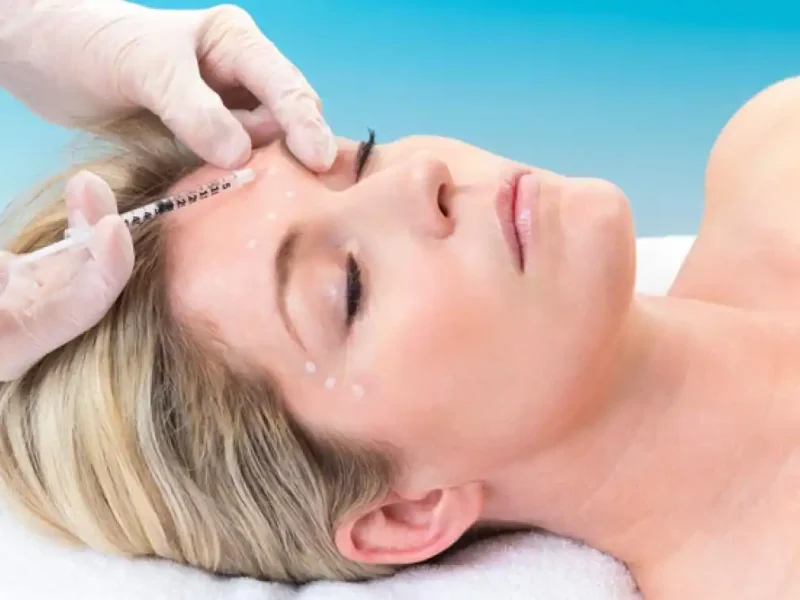
Botox is injected into areas with a high concentration of facial muscles, such as the forehead, between the eyebrows, around the eyes, the sides of the nose, and the neck.
Botox can also be applied to areas such as the jawline, upper lip lines, the masseter muscle in teeth grinding treatment, and the armpits for excessive sweating. For aesthetic purposes, Botox is most commonly used to treat forehead lines, crow’s feet, and wrinkles between the eyebrows. For functional purposes, it provides effective results in conditions such as migraines, excessive sweating, and teeth grinding. The application area is determined by a specialist physician according to the individual’s needs.
Who is Botox suitable for?
Botox is suitable for healthy individuals who already have expression wrinkles or who want to prevent their formation.
It can generally be safely applied to individuals over 18 years of age and those without chronic musculoskeletal disorders. It is preferred for aesthetic purposes such as facial rejuvenation, wrinkle reduction, or symmetry enhancement. It is also an effective method in the treatment of migraines, excessive sweating, and bruxism. It is not recommended for pregnant or breastfeeding women, or those taking certain medications. Suitability should be determined after an evaluation by a specialist physician.
How long does the effect of Botox last?
The effects of Botox usually last between 3 and 6 months after application.
Initial effects begin to appear within 3–5 days, with full effect becoming apparent within 7–10 days. Over time, muscle movement returns, and wrinkles may become more prominent again. The duration of the effect can vary depending on the individual’s muscle structure, facial expressions, and lifestyle. With regular applications, the duration of the effect can be extended, and lines become less noticeable. Reapplication is possible when the effect diminishes. For best results, it is important that the treatment is performed using the correct technique and by a qualified physician.
Can facial stiffness occur after Botox?
When administered with the correct dosage and technique, Botox does not cause facial stiffness; facial expressions are preserved naturally.
A frozen facial expression is usually caused by overdosing or incorrect application. Injections performed by a qualified physician target only specific muscles, preserving facial expressions. The goal is to reduce wrinkles and soften facial expressions. It is possible for a person to maintain their natural appearance after Botox treatment. With proper planning, the muscles are only relaxed, not completely paralyzed. This allows the person to look younger and retain their natural facial expressions.
What are the side effects and risks of Botox?
Side effects of Botox are generally mild and temporary; in rare cases, temporary muscle weakness or headache may occur.
Redness, mild swelling, or bruising may occur at the injection site after the procedure. Rarely, eyelid drooping, asymmetry, or weakness in facial muscles may occur. Side effects usually resolve spontaneously within a few days. The risk of infection during the procedure is very low. When performed by a specialist physician using the correct technique, the risks are minimized. It is not recommended for pregnant or breastfeeding women, or those with certain muscle diseases. Potential risks should be discussed with a physician beforehand.
What is the difference between Botox and fillers?
Botox temporarily stops muscle movement, while fillers correct volume loss and fill in wrinkles.
Botox temporarily relaxes facial muscles, reducing dynamic wrinkles (forehead, between eyebrows, around the eyes). Fillers, on the other hand, add volume under the skin with substances like hyaluronic acid to correct static lines (sides of the nose, cheeks, lips). Botox restricts movement, while fillers create volume. Their effects last longer and are applied to different areas. Both methods can be used together depending on the aesthetic goal. The most suitable method is determined by expert evaluation.
How is Botox administered to men?
Botox treatments for men are designed to reduce expression lines while preserving a masculine facial expression.
While the procedure is similar to that in women, men have stronger muscle structure, and the dose may be slightly higher. Botulinum toxin is injected with fine needles into common wrinkle areas such as the forehead, between the eyebrows, and around the eyes. Muscle activity is balanced considering the differences in men’s facial expressions and features; thus, a natural expression is preserved instead of a harsh and frozen look. Comfort is increased with local anesthetic cream or ice application. The procedure takes approximately 10–20 minutes, and most people can return to their daily lives the same day. The effect usually lasts 3–6 months, and longer-lasting results can be obtained with regular applications.
What precautions should be taken after Botox treatment?
Knowing what to pay attention to after Botox treatment is important for achieving successful results and reducing the risk of complications.
For the first 24 hours after the procedure, avoid massaging the face and applying pressure to the treatment area. Keep your head elevated and avoid strenuous exercise and hot environments such as saunas and Turkish baths. Be gentle when washing your face for the first few hours, and pain, redness, or slight bruising are normal; these usually resolve quickly. If you experience severe pain, asymmetry, or any unexpected reaction, contact your doctor immediately. It is also recommended to avoid tilting your head for the first 4-6 hours and to keep your head elevated while sleeping. Using sunscreen and avoiding smoking will support healing.
Botox Prices 2026
In 2026, Botox prices will range from 2,000 ₤ to 8,000 ₤ depending on the area of application, the brand of product used, and the experience of the specialist physician.
Frequently Asked Questions (FAQ)
Does Botox hurt?
Botox injections are administered with fine needles and generally cause minimal discomfort and no pain.
Comfort is ensured with anesthetic cream or cold compresses applied before the procedure. Only a slight stinging sensation may be felt during the injection. Most people can return to their daily lives immediately after the procedure. It is a procedure that can be tolerated even for those with a low pain threshold. Even if sensitivity occurs, it passes quickly and painkillers are usually not needed. Working with a qualified physician is important for a comfortable procedure.
When do the effects of Botox become visible?
The effects of Botox usually begin from the 3rd day, and the full results are seen within 7-10 days.
In the first few days, muscles begin to relax, but changes in facial expressions become clearer over time. The duration of the effect can vary depending on factors such as the individual’s muscle structure, age, and metabolism. Patience after the injection is important for accurately evaluating the results. Post-application care should be followed for faster and longer-lasting results. A follow-up appointment may be necessary within 1 to 2 weeks. The full effect is usually seen from the 10th day onwards.
Does Botox Completely Eliminate Facial Expressions?
Botox, when administered in the correct dosage, does not completely eliminate facial expressions; it only restricts muscle movement in a controlled manner.
The goal of Botox is to temporarily relax the facial muscles, thereby reducing wrinkles and softening expressions. Unless an overdose is applied, natural facial movements are preserved. The aim is not a blank expression, but a younger, more rested facial expression. When administered by an experienced physician, Botox delivers the desired result without creating a frozen look. When the application is planned individually, facial expressions remain natural, only excessive muscle movement is reduced.
Is Brow Lifting Possible with Botox?
Yes, it is possible and effective to slightly lift the eyebrows with Botox.
Botox allows eyebrows to naturally lift by limiting the movement of the muscles that pull them down. This method is a practical solution, especially for those who do not want surgery. The eye area looks brighter, more vibrant, and younger. The procedure is quick, painless, and its effects last an average of 4-6 months. With personalized planning, a natural result is achieved while preserving the eyebrow shape. A blank, expressionless look is avoided. It is recommended to apply it in doses appropriate to the facial expression.
Can Botox Become a Habit?
Botox is not addictive, but the aesthetic effect it provides may create a desire for it to be repeated.
When the treatment is discontinued, the muscles return to their original state, and the face regains its natural appearance. No permanent skin deformation occurs. However, individuals may choose to have regular treatments to prevent wrinkles from reappearing. This can create a psychological habit, but there is no physiological dependence. Treatments performed under expert supervision protect skin health. Intermittent and balanced use provides effective results while preserving facial expressions.
Can Botox be used for excessive sweating?
Yes, Botox is used as an effective method in the treatment of excessive sweating (hyperhidrosis).
Botox reduces sweating by temporarily blocking nerve signals that reach the sweat glands. It is most commonly applied to the armpits, palms, and soles of the feet. The effect usually lasts between 4 and 6 months. The procedure is quick and does not interfere with daily life. It provides comfort for individuals whose sweating problems affect their social lives. Expert evaluation is required before application. It is an effective, safe, and non-surgical solution.
Is it safe to get Botox during pregnancy?
Botox injections are not recommended during pregnancy; there is insufficient scientific data to support safety claims.
There have been no definitive and large-scale studies on the effects of Botox on pregnancy. Therefore, experts recommend avoiding cosmetic injections during pregnancy. Although systemic absorption of botulinum toxin is low, it is best to exercise caution to avoid potential risks. The same applies to breastfeeding. Cosmetic needs should be planned after childbirth. In any case, no procedure should be performed without a doctor’s recommendation.
Does the face look natural after Botox?
Yes, with the correct technique and dosage, Botox injections can give the face a natural look while preserving facial expressions.
The goal of Botox is to soften expression lines and provide a rested look to the face. An experienced specialist can achieve rejuvenation without disrupting the balance of facial muscle movement. Overdosing or incorrect application can lead to dullness; therefore, choosing the right specialist is crucial. In treatments tailored to the individual, a natural look is preserved. Regular application with low doses provides a refreshed look to the face, without losing any of its expressive quality.