


What is Breast Lift Surgery?
Breast lift surgery is a surgical procedure performed to give sagging breasts a firmer and more aesthetically pleasing appearance.
This procedure rejuvenates the shape of the breast by repositioning the nipple and surrounding area. It is commonly used to correct sagging caused by childbirth, breastfeeding, weight loss, or aging. Excess skin is removed, breast tissue is reshaped, and a more upright appearance is achieved. The procedure can be combined with implants or performed as a lift alone. Personalized planning is necessary for natural and aesthetically pleasing results.
What causes breast sagging?
Breast sagging occurs when breast tissue loses its elasticity due to factors such as aging, breastfeeding, weight changes, and gravity.
Over time, skin elasticity decreases, breast skin loosens, and the nipple droops. Changes in breast volume during pregnancy and breastfeeding can accelerate this process. Genetic predisposition and factors such as not wearing a supportive bra can also increase sagging. Skin type, lifestyle, and body structure affect the degree of breast sagging. This aesthetically bothersome condition can be corrected with surgical intervention. The degree of sagging determines the method of breast lift.
Why is breast lift surgery performed?
Breast lift surgery is performed to give sagging breasts an aesthetic and youthful appearance.
Over time, women may experience a loss of breast shape, which can be visually bothersome. Breast lift surgery lifts the nipple, providing a younger, firmer, and more symmetrical appearance. It is often chosen after childbirth, breastfeeding, or significant weight loss. While a lift alone may be sufficient in some cases, silicone implants can be added if there is a lack of volume. This procedure, which boosts a woman’s self-confidence, provides aesthetically pleasing results.
How is breast lift surgery performed?
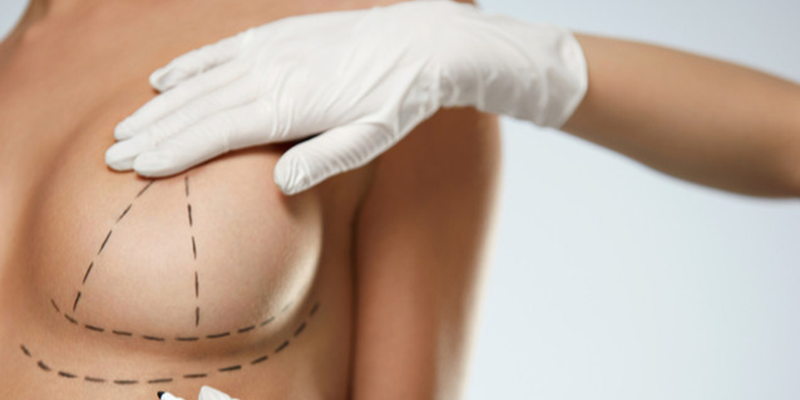
Breast lift surgery is performed by removing excess skin and repositioning the nipple upwards.
During the operation, breast tissue is reshaped, sagging is corrected, and aesthetically pleasing contours are created. If necessary, silicone implants can also be added to increase breast volume. The surgery is performed under general anesthesia and takes approximately 2-3 hours. Depending on the surgeon’s preference, vertical, inverted T, or donut (circle) techniques can be used. Incisions are made in aesthetically hidden areas. Results are visible immediately and become even more pronounced during the healing process.
Who can have a breast lift?
Any woman experiencing breast sagging, who is in good general health and has realistic expectations, can undergo breast lift surgery.
This procedure is suitable for individuals whose breast shape has been altered after childbirth or weight loss. Results are more successful in individuals with sufficient skin elasticity. Completing breastfeeding is a preferred condition for surgical intervention. Excessive smoking and chronic diseases can increase the risk of surgery. While there is no age limit, breast development must be complete. Suitability for surgery should be determined under the supervision of a specialist physician.
How long does breast lift surgery take?
Breast lift surgery typically takes between 2 and 3 hours.
The duration can vary depending on the degree of breast sagging, the technique used, and any additional procedures (such as implant placement). Performed under general anesthesia, this procedure may allow for same-day discharge. During the procedure, the surgeon removes excess skin, reshapes the breast tissue, and repositions the nipple. The duration of the operation is planned according to the individual situation. With an experienced surgeon and the right technique, both the process and the outcome are managed successfully.
Can breast lift and augmentation be performed simultaneously?
Yes, breast lift and augmentation procedures can be combined and performed in the same session.
This method both corrects sagging and increases volume. The surgeon lifts the nipple while simultaneously inserting silicone implants to add fullness. It is ideal for individuals experiencing volume loss and who desire a firm, full breast appearance. This combination offers more aesthetic and lasting results. The most suitable implant size and shape are determined by the surgeon’s assessment. With the selection of a compatible technique, it is possible to achieve the desired appearance in a single surgery.
Is Non-Surgical Breast Lift Possible?
There are non-surgical breast lift methods; however, their effects are limited and temporary.
Skin tightening can be achieved with technologies such as radiofrequency, ultrasound, and laser, but they are not sufficient for advanced sagging. These procedures are not alternatives to surgery, but rather supportive methods. They are generally preferred for mild sagging and require regular sessions. For permanent and noticeable results, surgical lifting is more effective. The method should be determined according to each patient’s needs, and expert supervision is essential.
What is the recovery process like after breast lift surgery?
The recovery process after breast lift surgery typically takes 4–6 weeks and requires careful care.
Swelling, bruising, and mild pain are normal in the first few days and can be controlled with medication prescribed by your doctor. Wearing a special bra speeds up healing and maintains the shape. After surgery, heavy lifting, sports, and lying on your stomach should be avoided. The healing time of the stitches varies from person to person; most patients can return to daily life within a week. Scars fade over time and their visibility decreases with careful care. Follow-up appointments should not be missed, and your doctor’s recommendations should be fully followed.
Is Breast Lift Surgery Risky?
Breast lift surgery is considered low-risk, but as with all surgical procedures, some complications can occur.
When general anesthesia is used during the procedure, there may be risks associated with anesthesia. Risks such as infection, bleeding, suture line problems, or prominent scarring are rare. Temporary effects such as loss of sensation and asymmetry in the breast tissue may also occur. These risks are minimized in surgeries performed by an experienced plastic surgeon under appropriate sterile conditions. Preoperative medical evaluation is important in identifying risks and planning a safe procedure. Following the doctor’s recommendations further reduces the likelihood of complications.
Will there be scars after breast lift surgery?
Scarring may remain after breast lift surgery, but the scars usually fade over time and become minimally noticeable aesthetically.
Incisions are typically made around the nipple, ‑along vertical or T-shaped lines. New suturing techniques make scars as inconspicuous as possible. Scar visibility varies depending on individual skin type, healing process, and care. Scar care creams and sun protection recommended by the doctor help reduce visibility. As healing progresses, scars become less noticeable. In aesthetic planning, scar locations are positioned in areas that are as hidden as possible.
Breast Lift Prices 2026
In 2026, breast lift prices generally range between 5,000 ₤ and 7,000 ₤ depending on the surgeon’s experience, clinic equipment, and the scope of the procedure.
Frequently Asked Questions (FAQ)
Is Breast Lift Permanent?
Breast lift surgery provides lasting results, but sagging can occur again over time due to aging and the effects of gravity.
After surgery, breasts remain upright for many years; however, skin elasticity, weight changes, and aging can affect this process. Especially in larger breasts, loss of shape may occur earlier over time. To increase lasting results, maintaining a stable weight, using a supportive bra, and paying attention to skin care are important. Surgeries performed with the correct technique and by an experienced surgeon provide longer-term satisfaction.
Is breast lift surgery possible after breastfeeding?
Breast lift surgery can be safely performed after the breastfeeding process is complete.
Breast sagging, volume loss, and deformation are common after childbirth and breastfeeding. In these cases, a breast lift procedure can restore an aesthetically pleasing shape. Surgical planning is recommended after the breast tissue has settled and milk production has ceased. Generally, six months after breastfeeding is a suitable time for surgery. The procedure is planned taking into account nipple sensation and the condition of the milk ducts.
How should a bra be worn after surgery?
Special medical bras should be worn continuously for 4-6 weeks after breast lift surgery.
These bras support breast tissue, reduce swelling, and maintain shape. Instead of classic underwired, wired, or tight bras, seamless and non-constricting products should be preferred. Bra selection should be based on your doctor’s recommendations and worn consistently throughout the healing process. A suitable bra positively impacts surgical outcomes and can reduce scarring. Nighttime use should also be continued if necessary.
What is the return-to-work period?
The return-to-work period after breast lift surgery typically ranges from 5 to 10 days.
This time frame can vary depending on the individual’s recovery rate and the type of work they do. Those with office jobs may return sooner, while those with physically demanding jobs may need to wait a little longer. Fatigue, mild pain, and swelling may occur in the first few days. Regular doctor check-ups and bra use should continue without interruption. Light-paced daily tasks can be resumed within a week, but heavy lifting should be avoided.
Can breast lift surgery achieve symmetry?
Yes, breast lift surgery can significantly improve symmetry between the two breasts.
The surgeon aligns the nipples and balances excess tissue to create aesthetically harmonious breasts. While natural asymmetries cannot be completely eliminated, the difference is significantly reduced. Surgical planning and the use of correct techniques play a critical role in this process. In addition to symmetry, the breast shape is also made balanced and proportionate. During the healing process, the symmetry becomes more noticeable to the eye.
Does weight gain or loss affect the result?
Weight gain and loss can negatively affect the outcome of a breast lift and may cause sagging to return.
Sudden weight changes, in particular, can result in an increase or decrease in breast tissue volume. This can impair the achieved aesthetic appearance and cause skin laxity to recur. Maintaining a stable weight is recommended for lasting and long-term results. Achieving your ideal weight before surgery improves the quality of the outcome. Postpartum weight changes can also affect the post-operative appearance.
Can breasts sag again after a breast lift?
Yes, sagging can recur over time after a breast lift, but this depends on individual factors.
Weight fluctuations, aging, gravity, and genetic factors can all cause sagging to recur. The risk of sagging is higher, especially in women with large and heavy breasts. Wearing a supportive bra, maintaining a stable weight, and taking care of your skin can delay this process. With the right lifestyle after surgery, breasts can maintain their shape for a long time. The technique used by the surgeon can also affect how quickly sagging occurs.
Is it possible to perform a reduction operation at the same time?
Yes, breast lift and breast reduction procedures can be performed simultaneously.
This combined operation allows for both the elimination of sagging and the reduction of volume. It is frequently preferred, especially for large and heavy breasts. The surgeon removes excess breast tissue and skin, creating a smaller, firmer, and more aesthetically pleasing breast shape. It is possible to achieve both goals in a single session. Performing both procedures simultaneously also shortens the recovery time. Successful results are achieved with proper patient selection and surgical planning.