



What is eyebrow transplantation?
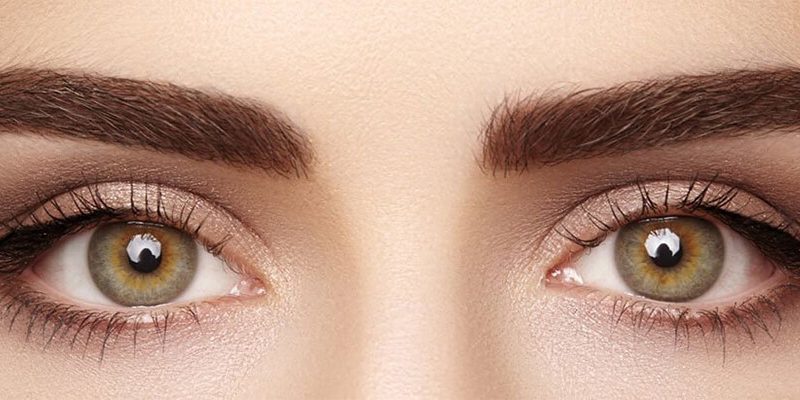
Eyebrow transplantation is a permanent cosmetic procedure that involves transferring hair follicles to areas where eyebrows are thinning or have lost hair.
Hair follicles, usually taken from the nape of the neck, are transplanted to the eyebrow area using special micro-instruments. This procedure is planned according to the natural growth direction and density of the eyebrows. Eyebrow transplantation is performed to regenerate eyebrows lost due to trauma, genetic factors, excessive plucking, or illness. The procedure is performed under local anesthesia and is quite comfortable. The results are natural-looking, symmetrical, and permanent. The eyebrow line is designed individually for each person.
What Causes Eyebrow Loss?
Eyebrow loss can occur due to genetics, hormonal imbalances, stress, skin diseases, or excessive eyebrow plucking.
Some people may have sparse eyebrows due to genetic factors. Hormonal imbalances, especially thyroid diseases, can trigger eyebrow loss. Excessive stress, nutritional deficiencies, and skin diseases can also lead to hair loss. One of the most common causes is the prolonged use of incorrect eyebrow plucking techniques. Repeated trauma can damage eyebrow follicles, leading to permanent hair loss. Eyebrow loss can be temporary or permanent; eyebrow transplantation is an effective solution for permanent hair loss.
Why is eyebrow transplantation performed?
Eyebrow transplantation is performed to recreate eyebrows that have fallen out, thinned, or lost their shape.
Individuals with sparse eyebrows due to genetic reasons or those who have experienced permanent eyebrow loss due to excessive plucking can undergo eyebrow transplantation. It is also applied in cases of eyebrow loss caused by burns, scars, cosmetic procedures, or illnesses. Eyebrow transplantation provides fuller, more symmetrical, and aesthetically pleasing eyebrows. Eyebrows, which define facial expression, can be reshaped naturally and permanently through transplantation. The desired look is achieved by designing the eyebrow line specifically for each individual.
How is eyebrow transplantation performed?
Eyebrow transplantation involves taking hair follicles from the nape of the neck and placing them in the eyebrow area at natural angles.
First, individual hair follicles are harvested from the donor area using a micro-motor. These follicles are kept alive with special solutions. Micro-channels are opened in the eyebrow area according to the predetermined design. Each graft is carefully placed in accordance with the natural growth direction of the eyebrows. The procedure is performed under local anesthesia and takes approximately 2-3 hours. Mild redness may occur after eyebrow transplantation, but it will return to normal within a few days. The angle and direction of the implantation are very important for natural-looking and lasting results.
Which Method is Used for Eyebrow Transplantation?
Eyebrow transplantation is usually performed using the FUE method, and grafts are placed one by one at natural angles.
With the FUE technique, healthy hair follicles taken from the nape of the neck are carefully extracted using a micro-motor. Each graft is placed in the eyebrow area at angles that match the direction of eyebrow growth. Channel opening is also planned according to these natural directions. Since the eyebrow area is quite sensitive, the procedure is performed at a micro level with great precision. This ensures both a natural and permanent result. The DHI technique is less preferred but is possible.
Who is a suitable candidate for eyebrow transplantation?
People with thinning, receding, or misshapen eyebrows are suitable candidates for eyebrow transplantation.
Individuals with genetically sparse eyebrows or those experiencing eyebrow loss due to trauma, burns, or scarring can undergo eyebrow transplantation. It is also an effective solution for individuals who have suffered permanent hair follicle loss due to excessive eyebrow plucking. People whose eyebrows have fallen out due to hormonal problems or stress may also be suitable candidates. A sufficient number of healthy hair follicles must be available in the donor area. Anyone without any skin diseases and in good general health can be considered for eyebrow transplantation.
Recovery Process After Eyebrow Transplantation
The recovery process after eyebrow transplantation is usually completed within 7 to 10 days.
In the first few days, you may experience slight crusting, redness, and sensitivity in the eyebrow area. These symptoms will disappear quickly. Starting from the 3rd day, you can begin washing the area with the recommended special solutions and shampoos. After about 10 days, the crusts will completely fall off, and the eyebrows will regain their natural appearance. Temporary shock shedding may occur after the 1st month, but new hairs will begin to grow within 2-3 months. Noticeable results are achieved in 6 months, and the full look is achieved in 12 months. The process is quite comfortable.
Is eyebrow transplantation permanent?
Yes, eyebrow transplantation is permanent, and the transplanted grafts will not fall out for life.
Because the hair follicles taken from the donor area are genetically resistant to hair loss, they continue to grow permanently after being transplanted to the eyebrow area. Although a temporary shock shedding period may occur in the first few months, the follicles remain in place and begin to regrow within 2-3 months. Over time, the eyebrows return to their natural state and can be shaved or shaped. With the correct technique, expert application, and adherence to the aftercare process, eyebrow transplantation provides permanent, aesthetic, and satisfying results.
How long does it take for eyebrow transplant results to appear?
The results of eyebrow transplantation are usually noticeable within 3 to 12 months.
The scabs fall off in the first 7-10 days after the procedure, and the eyebrow skin returns to normal. Temporary shedding of transplanted hairs (shock shedding) may occur within 1-2 months; this is normal. New eyebrow hairs begin to grow from the 3rd month onwards, and a noticeable density is seen by the 6th month. Between 9-12 months, the eyebrows fully mature, reaching their natural length and density. While the time it takes for results to become clear varies from person to person, the full appearance is generally achieved between 6-12 months. Proper care and adherence to doctor’s recommendations will improve the quality of the results.
How to Achieve a Natural Look with Eyebrow Transplantation?
A natural eyebrow look is achieved by correctly planning the angle, direction, and density of hair follicle growth.
In eyebrow transplantation, grafts taken from the donor area are placed into micro-channels in accordance with the natural growth direction of the eyebrows. Each individual’s facial structure, eyebrow shape, and symmetry are analyzed; the eyebrow line is designed accordingly. Placement, performed with fine and precise instruments, ensures that the eyebrows appear with a natural flow and density. Furthermore, an arrangement is planned that is suitable for the overall aesthetics and expression of the face. Thanks to these details, the result after eyebrow transplantation is both natural and harmonious with the face, avoiding an artificial appearance.
Eyebrow Transplant Prices 2026
In 2026, eyebrow transplant prices generally range from 1,000 to ₺3500 ₤.
Frequently Asked Questions (FAQ)
Does Eyebrow Transplantation Hurt?
Eyebrow transplantation, when performed under local anesthesia, generally does not cause pain.
Thanks to the local anesthesia administered before the procedure, the patient feels no pain during the procedure and only a slight sensation of pressure. There may be a brief, mild stinging sensation at the moment the anesthetic needle is inserted, but this quickly subsides. Mild tenderness, swelling, or soreness may occur in the first few days after the procedure; this is a normal sign of healing. Such discomfort is usually controlled with prescribed pain medication. Overall, the eyebrow transplant process is comfortable and tolerable, with most patients describing it as an easy experience.
How is the shape determined after eyebrow transplantation?
After eyebrow transplantation, the shape is custom-designed to suit each individual’s facial features.
Before the procedure, the eyebrow line is drawn by a specialist, taking into account the width of the forehead, eye structure, and facial symmetry. The starting, arching, and ending points of the eyebrow are determined in accordance with facial aesthetics. A natural and balanced design is created, considering the patient’s expectations. After this planning, grafts are placed according to the determined line and direction of growth. In this way, a natural and harmonious eyebrow appearance is achieved. The planning process is of great importance for permanent and aesthetic results.
Can men also get eyebrow transplants?
Yes, men can also have eyebrow transplants and achieve natural-looking results.
For men with genetically sparse eyebrows, those experiencing eyebrow loss, or those suffering from eyebrow loss due to trauma, eyebrow transplantation is a suitable solution. In men, the eyebrow line is generally designed to be straighter and thicker. Masculine and natural results are achieved that suit the male facial structure. Sufficient hair follicles in the donor area and good general health are sufficient. Eyebrow transplantation is a permanent solution that addresses aesthetic concerns in men as well.
When can makeup be applied after eyebrow transplantation?
It is recommended to wait at least 10 days before applying makeup after eyebrow transplantation.
Crusting and sensitivity may be observed in the eyebrow area during the first week. Makeup products should be avoided during this period as the skin is susceptible to infection. After the 10th day, once the scabs have fallen off and the skin has returned to normal, light makeup can be applied with a doctor’s approval. If using products such as eyebrow pencils or eyeshadow, care should be taken and pressure should not be applied to the area. Makeup removal should also be done gently to avoid irritation. It is recommended to keep makeup to a minimum until complete healing is achieved.
If an eyebrow transplant is unsuccessful, can it be repeated?
Yes, if eyebrow transplantation is unsuccessful, it can be repeated with a revision procedure.
Failure is usually caused by reasons such as grafts not taking root, implantation at the wrong angle, or insufficient density. In these cases, a new implantation plan can be prepared after an expert evaluation. If the donor area is suitable, the brow line can be corrected or density can be added to deficient areas in a second session. In addition, the healing process can be supported with supportive treatments such as PRP. Unsuccessful results can be successfully revised with proper planning and an experienced team.