



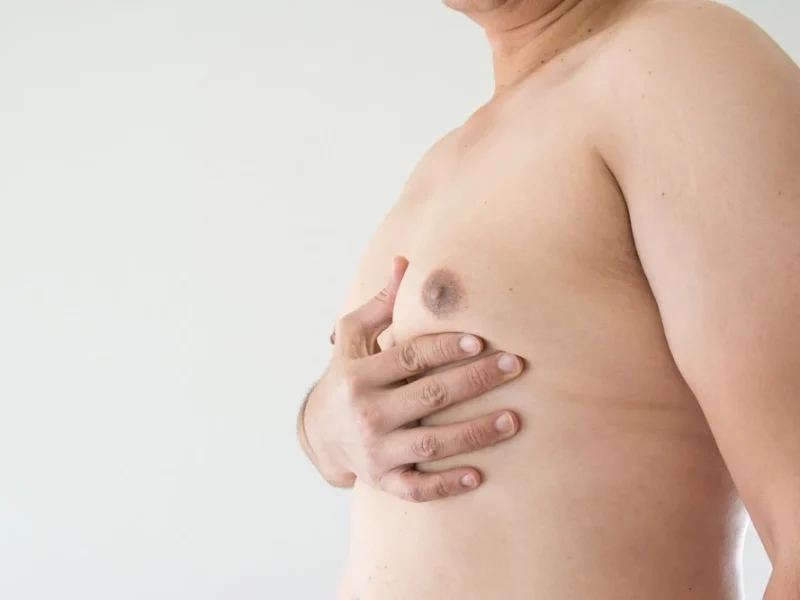
What is gynecomastia?
Gynecomastia is a medical condition in men characterized by abnormal enlargement of the breast gland.
This condition manifests as a feminine enlargement of the breasts due to hormonal imbalances. It usually occurs during puberty, old age, or during hormone therapy. In men, gynecomastia can cause both changes in physical appearance and psychological distress. The enlargement of breast tissue can be unilateral or bilateral. Besides aesthetic concerns, pain and tenderness may also occur in some cases. Surgical intervention may be recommended for a permanent solution.
What causes gynecomastia?
Gynecomastia develops in men due to an imbalance between estrogen and testosterone hormones.
This imbalance can occur for various reasons. Temporary hormonal changes during puberty, natural hormonal fluctuations during aging, certain medications (antiandrogens, antidepressants, heart medications), alcohol and drug use can all lead to gynecomastia. Additionally, liver, kidney, and thyroid diseases can disrupt hormonal balance, causing breast tissue to enlarge. Accurate identification of the underlying cause is crucial in the treatment process.
What are the symptoms of gynecomastia?
Gynecomastia manifests as swelling, hardness, tenderness, and sometimes pain in the chest area of men.
Tenderness or pain in the nipple, palpable hard tissue in the breast area, and altered aesthetic appearance are among the most common symptoms. Enlargement can be unilateral or bilateral. Although it can be confused with fat accumulation, gynecomastia is due to enlargement of the breast gland and is usually felt as firm tissue. A definitive diagnosis is made through physical examination and imaging methods. Surgical treatment may be necessary in advanced cases.
Who gets gynecomastia?
Gynecomastia is commonly seen in men during puberty, in older men, and in men experiencing hormonal imbalances.
This condition occurs in individuals experiencing temporary or permanent imbalances in hormone levels. While common in adolescents, it often resolves spontaneously. In older adults, the risk increases with decreased testosterone. Gynecomastia can also develop in athletes using anabolic steroids, patients undergoing certain drug treatments, and individuals using alcohol or drugs. Once the underlying cause is correctly identified, an appropriate treatment plan can be developed.
How is gynecomastia diagnosed?
Gynecomastia is diagnosed through physical examination, ultrasound, and hormone tests.
The doctor first assesses the breast for any palpable tissue, pain, or tenderness. Following a physical examination, imaging techniques such as breast ultrasound or mammography are used. Hormone tests analyze estrogen and testosterone levels to help determine if there is a hormonal imbalance. Liver, thyroid, and kidney function are also evaluated if necessary. Accurate diagnosis is the first step towards effective treatment.
Is gynecomastia treatable?
Gynecomastia is treatable, and in necessary cases, surgery can provide a permanent solution.
In mild cases, eliminating the underlying cause may be sufficient. Changing medications, regulating hormone levels, or making lifestyle changes can reduce breast enlargement. However, in cases where the breast tissue is permanently enlarged, gynecomastia surgery is recommended. Excess tissue is removed surgically, and the aesthetic appearance is improved. The treatment method is determined according to the person’s age, the severity of their symptoms, and their health condition.
Recovery Process After Gynecomastia Surgery
The recovery process after gynecomastia surgery is typically completed in 4 to 6 weeks.
Mild pain, swelling, and bruising may occur in the first few days. Wearing a compression garment reduces swelling and supports shaping. Stitches are usually removed within a week. Strenuous activities should be avoided for the first 7 days, and light walking is recommended. Return to work is typically 5-7 days for most patients.
Is gynecomastia permanent? Does it recur?
Gynecomastia surgery is usually permanent, but it can recur depending on certain factors.
Hormonal imbalances, excessive weight gain, or the use of certain medications increase the risk of recurrence. If the glandular tissue is completely removed, the likelihood of recurrence decreases. If gynecomastia is due to fatty tissue, weight gain can lead to regrowth. Steroid use and unbalanced diets also increase the risk. A healthy lifestyle should be maintained after surgery. Exercise and a balanced diet prevent recurrence. Following your doctor’s recommendations supports lasting results.
Is Gynecomastia Surgery Risky?
Gynecomastia surgery is a low-risk procedure, but as with any surgical intervention, some complications can occur.
Infection, bleeding, bruising, tissue loss, or decreased sensation can occur, albeit rarely. These risks are minimized when performed by an experienced surgeon. Detailed pre-operative examinations and tests help prevent complications. Following post-operative instructions positively impacts the healing process. The use of a compression garment and adherence to hygiene rules are essential. Smoking and alcohol consumption can negatively affect the process. The procedure is quite safe in individuals with good general health.
Gynecomastia Prices 2026
In 2026, the prices of gynecomastia surgery range from 4,000 ₤ to 10,000 ₤.
Frequently Asked Questions (FAQ)
Can gynecomastia be cured with exercise?
Gynecomastia does not completely disappear with exercise alone, and the glandular tissue does not disappear without surgical intervention.
Exercise can improve appearance by reducing fat tissue, but the mammary glands remain as they are. Especially in cases of glandular gynecomastia after puberty, surgery is often the only solution. Weight training develops chest muscles but does not reduce breast tissue. Exercise may be beneficial for individuals with high body fat percentage, but it does not provide complete recovery. Exercise is also insufficient if there is a hormonal imbalance. Therefore, gynecomastia should be evaluated by a surgeon.
At what age can gynecomastia surgery be performed?
Gynecomastia surgery is generally performed from the age of 18, after breast development is complete.
Gynecomastia that occurs during adolescence often resolves spontaneously. However, in cases that become persistent, surgical intervention may be necessary. In individuals under 18, surgery may be considered with a doctor’s approval if it causes significant psychological distress. There is no upper age limit; anyone in good general health can undergo this surgery. Pre-operative hormone testing and physical evaluation are important. Each patient should be evaluated individually.
Will there be a scar after the surgery?
Gynecomastia surgery usually leaves minimal scarring, which significantly diminishes in visibility over time.
Incisions are usually made around the nipple and blend in with the skin color during healing. The visibility of scars depends on skin type, wound care, and the surgeon’s technique. Laser treatments and scar creams can help promote healing. While there may be slight redness in the first few months, this is temporary. Cosmetic surgeons plan incisions to conceal the scars. Regular use of compression garments and avoiding smoking accelerate scar healing.
What is the return-to-work time after surgery?
Patients can usually return to work within 3 to 7 days after gynecomastia surgery.
This time frame can vary depending on the individual’s occupation and recovery rate. Office workers may return more quickly, while those with physically demanding jobs may require more rest. Rest and brace use are important for the first few days. Heavy lifting and strenuous exercise should be avoided for the first two weeks. It is recommended not to return to work without a doctor’s approval. The recovery process should be planned individually for each person.
Can weight regain cause gynecomastia?
Gaining weight again after surgery can cause an increase in fat tissue, recreating the appearance of gynecomastia.
Weight gain can cause breast enlargement, especially if glandular tissue has not been removed. A healthy lifestyle and balanced diet are important after surgery. Weight gain affects not only the aesthetic outcome but also overall health. Regular exercise and maintaining an ideal weight are recommended after surgery. Otherwise, the results may not be permanent. Weight gain combined with hormonal imbalance can trigger recurrence.
How Effective Are Non-Surgical Methods?
Non-surgical gynecomastia treatments have limited effectiveness in mild cases caused by fat tissue and are ineffective in glandular tissue.
Techniques such as laser lipolysis, ultrasonic methods, or cryolipolysis target only fat tissue. However, glandular gynecomastia does not respond to these methods, and surgical intervention may be necessary. Non-surgical solutions generally provide only temporary and limited benefit. Hormonal treatments are only effective in certain specific cases. Surgical options are more reliable for permanent and effective results. Which method is appropriate should be determined by expert evaluation.