



What is hair transplantation?
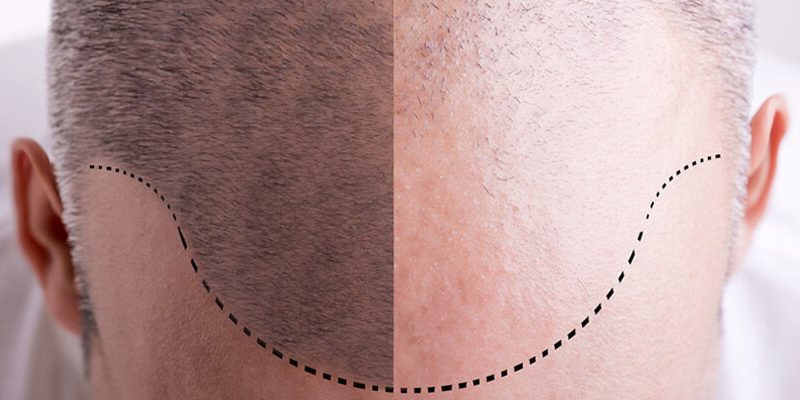
Hair transplantation is the process of transferring a person’s own hair follicles to areas where hair has fallen out or thinned.
This procedure is generally performed by transferring healthy grafts taken from the nape of the neck to areas with thinning hair. Techniques such as FUE and DHI allow for natural-looking results without leaving scars. Hair transplantation can be performed on both men and women and offers permanent solutions. The procedure is performed under local anesthesia, and patients can be discharged the same day. While the healing process varies from person to person, the first results are visible within a few months.
What Causes Hair Loss?
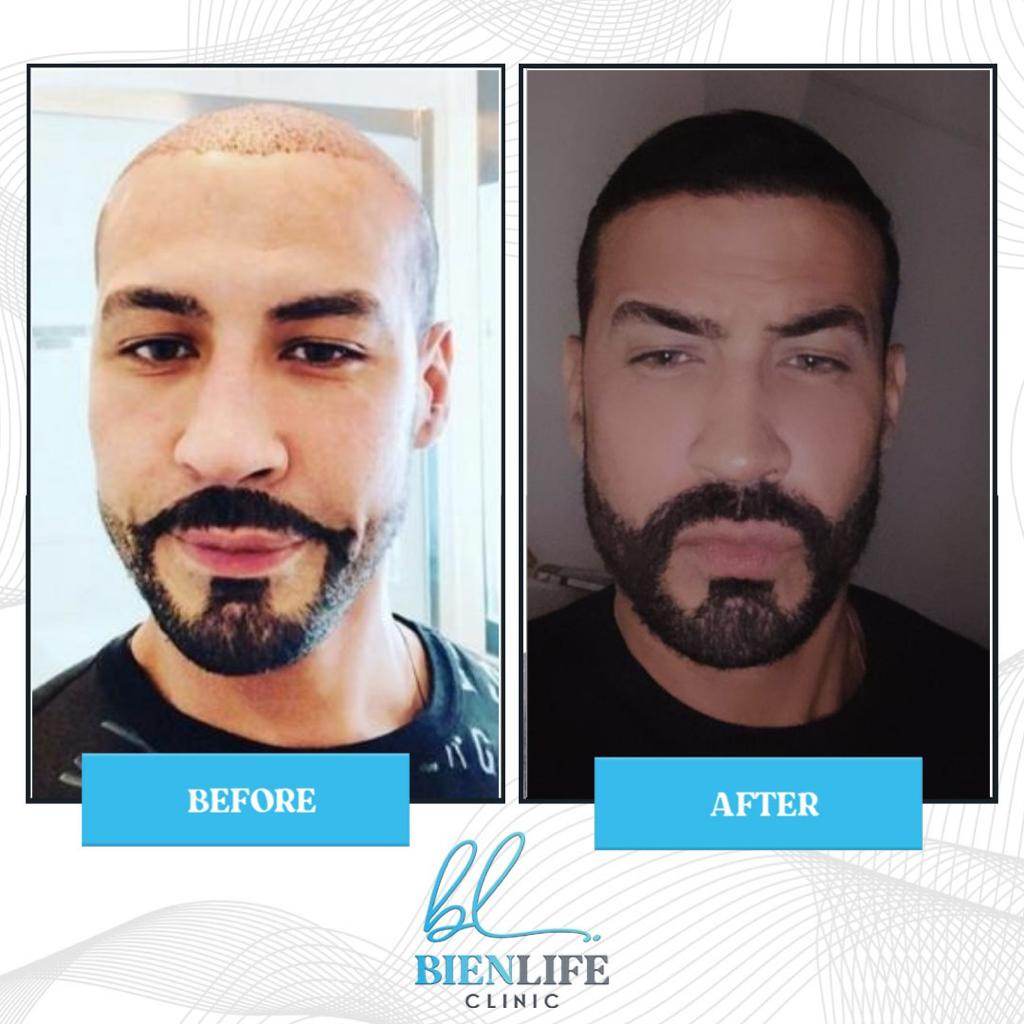
Hair loss can occur due to genetics, hormonal changes, stress, and certain diseases.
Male pattern baldness is one of the most common causes and is related to genetic predisposition. In women, hormonal imbalances, pregnancy, menopause, or thyroid problems can trigger hair loss. Malnutrition, vitamin deficiencies, and scalp diseases can also lead to hair loss. Long-term stress, certain medications, and hair care products can also have a negative impact. Consulting a dermatologist when hair loss is noticed is important for proper treatment.
Who is a suitable candidate for hair transplantation?
Hair transplantation is suitable for individuals experiencing permanent hair loss who have sufficient donor areas.
Generally, better results are obtained in individuals over 20 years of age, when hair loss is nearing completion. Both men and women can benefit from this procedure. A personalized plan is created by evaluating donor area density, hair structure, and overall health status. Hair transplantation yields more successful results in individuals without serious health problems who can limit smoking and alcohol consumption. For those experiencing continuous hair loss, it is recommended to treat the underlying causes first.
How is hair transplantation performed?
Hair transplantation is performed under local anesthesia by taking grafts from the donor area and placing them in the area of hair loss.
In the most common method, the FUE technique, hair follicles are extracted one by one and implanted by opening channels. In the DHI method, grafts are implanted directly with special pens, which provides a denser and more natural result. The procedure can take 4-8 hours, and the patient can return home the same day. Crusting and slight shedding may occur in the first few weeks. After the transplant, the hair will grow over time and return to its natural form. Full results are usually seen within 6-12 months.
What are the differences between FUE and DHI methods?
FUE and DHI are two different hair transplantation techniques that differ in the way hair follicles are harvested and implanted.
In the FUE method, hair follicles are extracted, then channels are opened and the follicles are placed in these areas. In the DHI method, grafts are directly implanted with a special pen, eliminating the need for channel opening. DHI provides denser implantation and may have a shorter recovery time. FUE is frequently preferred because it can be applied to larger areas. Both methods offer scarless and natural results. Which technique to use should be determined according to hair structure and expectations.
What should be considered before a hair transplant?
Smoking, alcohol, and blood-thinning medications should be avoided before hair transplantation.
These habits should be stopped at least a week before the operation, and the doctor’s recommendations should be followed. The scalp should be clean and healthy; products containing chemicals should be avoided. Blood values, general health status, and the level of hair loss should be evaluated. Also, comfortable clothing should be preferred on the day of the operation, and styling products should not be applied to the hair. By following all the preparations recommended by the doctor, the procedure can be completed safely and successfully.
Hair Transplant Recovery Process
The initial recovery period after hair transplantation is completed within 7-10 days, and full results become apparent within months.
Crusting and redness are normal in the first few days, as the scalp is sensitive. It’s important to lie on your back and protect your head for the first three days. Hair washes can be started within a week, using gentle cleansing with specialized shampoos. Temporary hair loss, known as shock shedding, is seen after the second week. New hair begins to grow after 2-4 months, with desired results achieved within 6-12 months. It’s crucial to follow your doctor’s recommendations to support the process.
How long does it take for hair transplant results to appear?
Permanent and natural results after hair transplantation usually appear between 6 and 12 months.
Although some shock shedding may occur in the first few weeks, this is a normal process. New hair begins to grow from the second month onwards and its density increases over time. The appearance of the hair becomes more noticeable after the sixth month, and the process is completed within a year. This time frame can vary depending on the individual’s hair type, the technique used, and the rate of healing. Healthy eating, avoiding stress, and using recommended hair care products positively influence the process.
Does Hair Transplantation Look Natural?
Yes, when performed with the correct technique, hair transplantation provides a natural and aesthetically pleasing appearance.
Thanks to advanced hair transplantation methods like FUE and DHI, hair follicles are implanted one by one. This ensures that the direction and density of hair growth are consistent with natural hair. Designing a hairline that suits facial features plays a critical role in achieving a natural look. Once healing is complete, the difference between the transplanted hair and natural hair is indistinguishable. Choosing the right clinic and specialist is fundamental to achieving natural results. Transplanted hair grows, takes shape, and can be styled as desired over time.
Is hair transplantation possible for women?
Yes, hair transplantation can be performed on women, and natural results are achieved using techniques specifically designed for women.
Hair loss in women can often be caused by hormonal, genetic, or stress factors. Hair transplantation is an effective method to increase hair density and fill in thinning areas. In transplants planned for women, the hairline is preserved, and density is added to thinning areas. FUE and DHI techniques extract hair follicles without damage and naturally place them in the desired areas. Techniques that do not require shaving the hair can be used in women. The healing process is fast, and the transplanted hair continues to grow permanently.
Is Hair Transplantation Risky?
No, hair transplantation is generally a low-risk and safe procedure when performed by experienced professionals.
Hair transplantation is performed under local anesthesia, ensuring high patient comfort and minimizing major surgical risks. Temporary side effects such as mild swelling, redness, or crusting may occur. Sterile conditions, correct technique, and an expert team minimize the risk of complications. Risks such as infection are rare and usually brought under control quickly. Since the transplanted hair follicles are from the body, there is no risk of rejection. With proper care, the process proceeds smoothly. Following the doctor’s recommendations after hair transplantation positively impacts the healing process.
Hair Transplant Prices 2026
In 2026, hair transplant prices will range from ,2200 ₤ to 6500 ₤ depending on the method and the number of grafts.
Frequently Asked Questions (FAQ)
Does Hair Transplantation Hurt?
Hair transplantation is performed under local anesthesia, so no pain is felt during the procedure.
Local anesthesia administered before the procedure prevents any pain or discomfort during hair transplantation. Patients generally only feel slight pressure or touch during the procedure. Mild pain or discomfort may occur after the operation, but this is short-lived and easily controlled with painkillers. Although the recovery process varies from person to person, it is generally comfortable. Hair transplantation performed by experienced specialists and with advanced techniques prioritizes patient comfort. Therefore, most patients describe hair transplantation as a painless and comfortable process.
Will transplanted hair fall out?
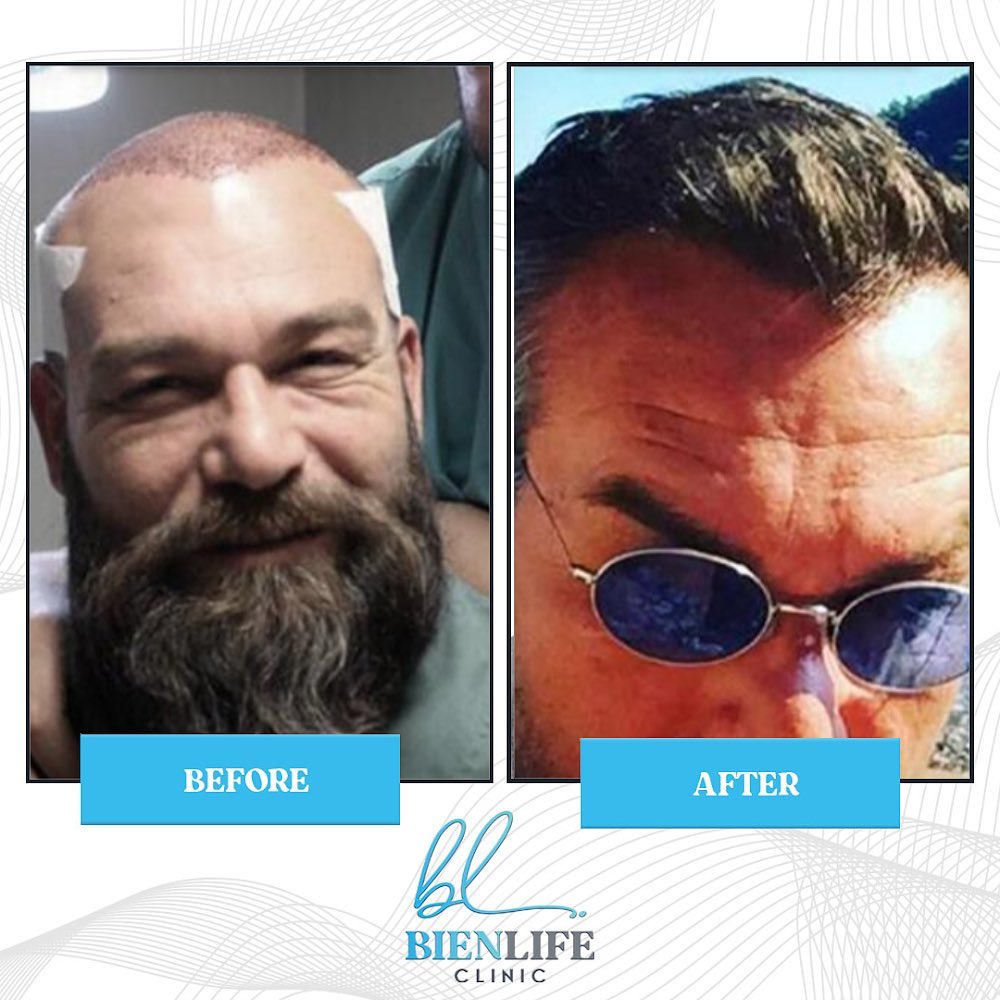
Transplanted hairs may fall out initially, but they will regrow permanently and will not fall out again.
After a hair transplant, temporary shedding, known as “shock shedding,” usually occurs in the first few weeks. This is a natural part of the hair follicles adapting to their new location. After shock shedding, hair begins to regrow within 2-4 months and eventually becomes permanent. Since the transplanted hairs are taken from genetically resistant areas, they will not fall out in the long term. Regular care, a healthy lifestyle, and adherence to doctor’s recommendations support the strength and permanence of the transplanted hair. The permanence of the transplanted hair is one of the most important criteria determining the success of a hair transplant.
What happens if hair isn’t harvested from the nape of the neck?
If hair is not harvested from the nape of the neck, sufficient grafts cannot be obtained, and the hair transplant may fail.
In hair transplantation, the nape of the neck is the main donor area containing the strongest and most resistant hair follicles. If hair cannot be harvested from this area, the number of high-quality grafts required for transplantation may be insufficient. Alternatively, body hair from areas such as the beard or chest can be used, but since these hairs do not have the same structure as hair, the results may not always be as desired. Insufficient donor area can lead to low hair density and an unnatural appearance. Therefore, the nape of the neck is of great importance in hair transplantation planning.
When can I exercise after a hair transplant?
It is generally recommended to start exercising 2 to 4 weeks after a hair transplant.
Heavy physical activity should be avoided for the first 10 days because sweating can negatively affect graft retention. Low-intensity exercises such as light walking can generally be started after 1 week. Weightlifting, running, and high-intensity sports should be postponed for at least 3-4 weeks to avoid damaging the grafts. Avoiding environments with poor hygiene, such as gyms, reduces the risk of infection. Following your doctor’s recommendations during the post-hair transplant period accelerates healing and ensures successful results.
When does scabbing after hair transplantation disappear?
The scabbing that occurs after hair transplantation usually disappears completely within 7 to 10 days.
Crusting is a natural part of the hair follicle healing process and usually begins a few days after the procedure. During this process, the scalp dries, crusts form, and they fall off on their own within about a week. Removing the crusts prematurely can damage the grafts, so washing should be done as recommended. Special shampoos and lotions can speed up the process. After the 10th day, the scalp returns to its normal appearance. The healthy progression of the crusting process after hair transplantation directly affects the retention of the hair follicles.
Does smoking affect the result?
Yes, smoking after a hair transplant slows down the healing process and reduces the success rate.
Smoking reduces the amount of oxygen reaching the hair follicles, hindering tissue healing. Nicotine constricts blood vessels, negatively impacting the chances of graft implantation. Smokers have a higher risk of infection and shock hair loss. Furthermore, hair growth slows down, and results may fall short of expectations. Experts recommend abstaining from smoking for at least 1-2 weeks before and after a hair transplant. For healthy and lasting results, completely quitting smoking is the ideal approach.
What happens if a hair transplant fails?
If the hair transplant is unsuccessful, a second transplant can be performed through a revision procedure.
The first step after a failed hair transplant is to determine the cause of the failure through a detailed analysis. Factors such as insufficient graft engraftment, incorrect technique, or infection can affect the outcome. A specialist clinic can evaluate the situation and create a plan for a second hair transplant. Revision surgery is usually possible if the donor area is suitable. Alternatively, supportive treatments such as PRP can also be applied. Instead of panicking when a hair transplant fails, seeking expert advice ensures the process is managed in the most appropriate way.