



What is Implant Dental Treatment?
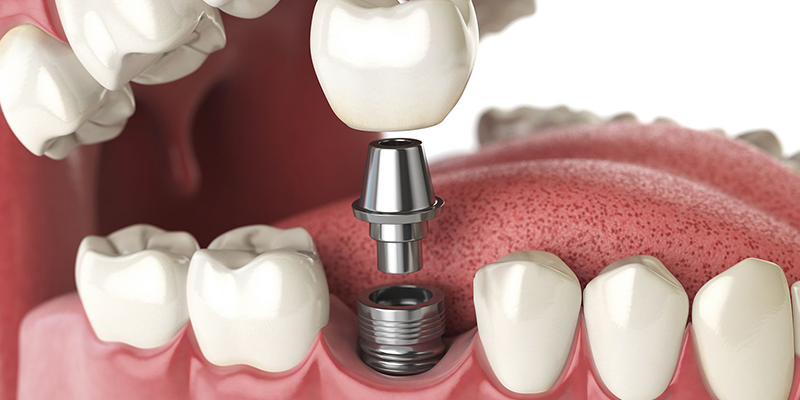
Dental implant treatment involves placing artificial tooth roots into the jawbone to replace missing teeth permanently and naturally.
These titanium posts fuse with the bone through a process called osseointegration, creating a strong foundation for crowns or bridges. Implants look, feel, and function like natural teeth, improving chewing, speech, and aesthetics. They prevent bone loss and preserve facial structure. Dental implants are a long-lasting, reliable solution for one or more missing teeth. With proper care, they can last for decades.
How is a Dental Implant Done?
A dental implant is placed by inserting a titanium screw into the jawbone under local anesthesia in a sterile procedure.
After placement, the implant needs 2–4 months to fuse with the bone. Once healing is complete, an abutment is attached to support the crown. The final crown is custom-made to match the patient’s bite and smile. The entire process is safe, with minimal discomfort. It may take several visits but results in a strong, natural-looking replacement tooth. A dental professional ensures each step is personalized and precise.
Who is a Good Candidate for Dental Implants?
Healthy adults with sufficient jawbone and good oral hygiene are ideal candidates for dental implant treatment.
Patients should be free of uncontrolled chronic conditions like diabetes or heart disease. Non-smokers or those willing to quit have higher success rates. Candidates must not have active gum disease or untreated decay. If bone loss is present, grafting may be needed. An oral examination and X-rays help determine eligibility. Age isn’t a barrier as long as bone growth is complete and overall health supports healing.
Stages of Dental Implant Treatment
Dental implant treatment consists of four main stages: consultation, implant placement, healing, and crown restoration.
The first stage involves diagnosis, X-rays, and treatment planning. In the second stage, the implant is surgically inserted into the jawbone. The healing phase, or osseointegration, typically lasts 2–4 months. After the implant bonds with the bone, an abutment and a custom-made crown are attached. Each stage is done with precision to ensure function, aesthetics, and long-term success. The entire process can take several months depending on healing and individual needs.
How Long Does a Dental Implant Procedure Take?
A full dental implant procedure typically takes 3 to 6 months, depending on healing and individual treatment needs.
The initial surgery to place the implant lasts 30–60 minutes per implant. Healing and bone integration (osseointegration) take 2–4 months. After healing, the abutment and crown are placed in 1–2 additional visits. If bone grafting is needed, the timeline may extend further. Though the process spans months, the result is a stable, long-lasting, and natural-looking tooth replacement.
Is Dental Implant Treatment Painful?
Dental implant treatment is generally not painful due to local anesthesia, with only mild discomfort during recovery.
Most patients compare the experience to a simple tooth extraction. Post-operative symptoms like swelling or soreness are common but manageable with over-the-counter pain relievers. Following the dentist’s instructions reduces healing time and discomfort. Serious pain is rare when the procedure is done by a skilled professional. Patients can usually return to normal activities within a day or two.
What Are the Advantages of Dental Implants?
Dental implants offer a natural look, long-term durability, and improved oral function without affecting neighboring teeth.
They restore chewing power and speech clarity while preserving facial structure and preventing bone loss. Unlike dentures, implants are fixed and feel like real teeth. They eliminate the need for removable prosthetics and reduce the risk of gum irritation. Implants are easy to maintain with regular brushing and dental visits. With proper care, they can last a lifetime, making them a cost-effective solution over time.
What to Expect After a Dental Implant?
After a dental implant, expect minor swelling, mild discomfort, and healing over a few months for full integration.
Pain is usually minimal and can be controlled with prescribed or over-the-counter medication. Eating soft foods and avoiding smoking helps healing. Good oral hygiene is essential to prevent infection and support implant stability. Stitches, if used, are removed or dissolve within days. Follow-up visits ensure the implant is fusing well with the bone before the crown is placed. Most patients resume normal routines quickly.
How Long Do Dental Implants Last?
Dental implants can last 15 to 25 years or even a lifetime with proper care and regular dental check‑ups.
Their durability depends on good oral hygiene, regular professional cleanings, and avoiding harmful habits like smoking. Healthy bone support and stable gum tissue also help implants remain secure. Unlike bridges or dentures, implants fuse with the jawbone through osseointegration, increasing longevity. Everyday brushing, flossing, and routine dental exams significantly extend implant lifespan. With these habits, many patients enjoy implant functionality and appearance for decades.
Can You Get Implants with Bone Loss?
Yes, you can often get dental implants even with bone loss by using bone grafting or sinus lift procedures first.
Bone grafting restores lost jawbone volume, creating a stable foundation for implants. Your dentist uses synthetic or natural bone material to rebuild bone before implant placement. In upper jaw cases near the sinus, a sinus lift adds bone height safely. After graft healing, implants are placed normally. This staged approach expands implant eligibility for patients who once had insufficient bone. Careful evaluation and planning improve success rates.
Dental Implant Prices 2026
In 2026, dental implant prices typically range from $1,500 to $4,000 per tooth, depending on materials, location, and clinic.
Frequently Asked Questions (FAQ)
What is the difference between an implant and a real tooth?
A dental implant is artificial and made of titanium, while a real tooth has living tissue, nerves, and blood supply.
Implants mimic natural teeth in function and appearance but lack sensitivity since they don’t have nerves. Real teeth are anchored by periodontal ligaments, while implants are fused directly to the jawbone. Both require proper oral hygiene and routine check-ups. Implants are more resistant to decay but can develop gum issues. With good care, implants can function similarly to natural teeth for decades.
Can a single tooth be replaced with an implant?
Yes, a single missing tooth can be effectively replaced with a dental implant and a custom crown for natural function.
This solution avoids altering adjacent teeth, unlike traditional bridges. The implant acts as an artificial root, and the crown restores the visible part. It offers excellent stability, aesthetics, and chewing ability. It also prevents bone loss in the missing tooth area. The procedure is safe, durable, and widely recommended for single-tooth gaps. Most patients return to normal function shortly after healing.
Can the body reject a dental implant?
Dental implant rejection is extremely rare because titanium is biocompatible and typically well-accepted by the body.
Rejection often results from infection, poor oral hygiene, or underlying health conditions—not an immune response. Symptoms include pain, mobility, or inflammation around the implant. With proper planning, skilled placement, and aftercare, success rates exceed 95%. In rare cases, an implant may fail to integrate with the bone and require replacement. Regular dental follow-ups and healthy habits reduce this risk significantly.
When can I eat after getting a dental implant?
You can eat soft foods about 1–2 hours after implant surgery, once numbness from anesthesia fully wears off.
Avoid hot, spicy, or crunchy foods for the first 24–48 hours to prevent irritation or dislodging the implant site. Stick to cool, soft foods like yogurt, smoothies, or soup. Gradually reintroduce firmer foods as healing progresses. Do not chew directly on the implant site until cleared by your dentist. Good nutrition supports recovery, so follow post-op dietary guidelines closely.