



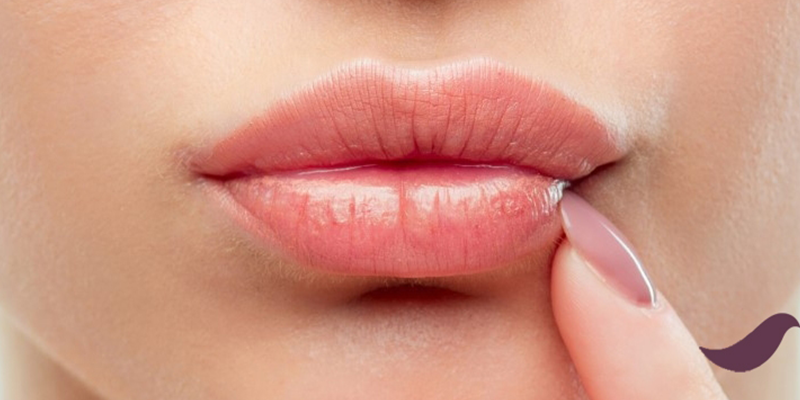
What is lip filler?
Lip filler is an aesthetic injection procedure used to increase lip volume and shape the lips.
Hyaluronic acid-based fillers are commonly used. This substance occurs naturally in the body and, thanks to its water-retaining properties, adds fullness to the lips. The procedure is quick, comfortable, and minimally invasive. It is preferred for defining lip lines, providing symmetry, or restoring volume lost with age. The effects are visible immediately after application, and the person can return to their daily life. The effect lasts an average of 6-12 months. When performed by professionals, natural and balanced results are achieved.
Why are lip fillers used?
Lip fillers are used to add volume to the lips, improve symmetry, and achieve a more youthful appearance.
It is an ideal solution for thin lips that have lost volume or whose shape has deteriorated with age. It can also be applied for aesthetic purposes such as reducing wrinkles around the lips and defining the lip contour. The filler procedure, planned according to the individual’s facial structure, positively affects overall facial aesthetics. This non-surgical method provides quick results and does not require interruption of daily life. The filler is absorbed by the body over time; a repeat procedure may be necessary.
How are lip fillers applied?
Lip fillers are applied by injecting substances containing hyaluronic acid into the lip tissue using fine needles.
Before the procedure, the lips are numbed with a local anesthetic cream. The application is planned according to the lip structure and aesthetic goal. The filler is carefully injected in small doses into or around the lips. The procedure usually takes 15–30 minutes and provides immediate results. Mild swelling or redness may occur after the procedure; these effects subside quickly. Cold compresses may be recommended after the application. It is important that the procedure is performed by a specialist doctor to achieve a natural and symmetrical appearance.
Which fillers are used?
The most commonly used filler material for lip augmentation is hyaluronic acid-based products that are compatible with the body.
Hyaluronic acid moisturizes the skin, adds volume, and is safely absorbed by the body over time. These fillers can come in different densities and structures; the choice is made according to the individual’s needs. The duration of effect is generally between 6-12 months. Alternative substances such as calcium hydroxyapatite, which offer a more permanent or different effect, are rarely preferred in lip fillers. Reliable brands and application in a sterile environment are essential for healthy results. The product’s ingredients must be learned from the doctor before the procedure.
How long do lip fillers last?
Lip filler effects last an average of 6 to 12 months, depending on the substance used.
The duration of the effect can be affected by a person’s metabolism, lifestyle, and the brand of filler used. Factors such as intense exercise, smoking, and sun exposure can cause the filler to dissolve faster. While the effect may be shorter in the first applications, it can last longer with regular applications. Renewal may be necessary at certain intervals for lasting results. Hyaluronic acid-based fillers are absorbed by the body over time and are safe. With the correct dosage and expert application, the effect lasts longer.
Who is a suitable candidate for lip fillers?
Lip fillers are suitable for people with thin lips, those experiencing volume loss, or those who want more defined lips.
Anyone over the age of 18 in good general health can have lip fillers. It is an effective solution for those who want fuller or more symmetrical lips for aesthetic purposes. It gives lips that have lost volume with age a youthful and fresh look. A test should be performed before the procedure for those at risk of allergies. It is not recommended for breastfeeding or pregnant women. Lip fillers are a safe, non-surgical method that provides quick results.
What are the advantages and disadvantages of lip fillers?
Lip fillers offer quick and effective results, but their temporary effects and side effects like swelling can be a disadvantage.
Its advantages include providing instant volume, not requiring surgery, and being made with natural ingredients. The procedure is completed quickly, and the recovery process is generally fast. When planned to suit the individual’s facial structure, it provides a natural and symmetrical look. However, temporary bruising, swelling, and sensitivity may occur after the procedure. Since the effect is not permanent, it needs to be renewed at certain intervals. This aspect may be a limiting factor for those seeking a permanent solution. Risks are minimized with the right specialist.
What precautions should be taken after lip filler treatment?
For the first 24 hours after lip filler treatment, hot drinks and applying pressure to the lips should be avoided.
Mild swelling, redness, or bruising may occur after the procedure; applying a cold compress can reduce these effects. Lip massage should be avoided, and makeup should not be applied on the first day. Avoid hot environments such as sports, saunas, and Turkish baths for a few days. Smoking and alcohol consumption can negatively affect the healing process. Avoid lying face down while sleeping; keep your head elevated. Drinking plenty of water supports the effect of the filler. Following the doctor’s recommended aftercare instructions completely will ensure long-lasting and healthy results.
How to Achieve Natural-Looking Lip Fillers?
Natural-looking lip fillers are achieved by adding volume to the lips in a way that is harmonious with the facial features and not exaggerated.
When planning filler treatment, the ratio of the upper and lower lips, the overall symmetry of the face, and the patient’s expectations are taken into consideration. Volume is increased in a controlled manner using fine needle techniques, and the lip line is defined. By avoiding excessive filler application and providing soft transitions with subtle touches, a natural result is achieved. 3D simulation and expert consultation are helpful for accurate planning. Mild swelling after the procedure is natural and subsides quickly. Harmonious and balanced filler enhances facial aesthetics.
Are Lip Fillers Harmful?
Lip fillers are generally harmless when administered by a qualified doctor in a hygienic environment.
Hyaluronic acid-based fillers are biocompatible, so the risk of allergic reactions is low. However, temporary side effects such as infection, bruising, and swelling may occur. In rare cases, problems such as irregular shape, clumping, or vascular complications may arise; these risks are minimized with an experienced specialist. Pregnant women and those with certain health conditions should be evaluated beforehand. Sharing medical history before filler treatment is important. With safe application and the right filler selection, risks are greatly reduced.
What to do if lip filler dissolves prematurely?
If lip filler dissolves prematurely, it can usually be dissolved with the hyaluronidase enzyme, restoring the desired balance.
The melting sensation may be due to the filler being broken down more quickly by the metabolism. In this case, the doctor may re-evaluate the filler or add more. If there is a lack of volume, symmetry issues, or irregularities, the necessary corrections will be planned. The results may not be fully settled during the initial check-ups; therefore, it is important to wait and make minor adjustments if necessary. Choosing the right product and dosage ensures that the filler remains balanced. Every step should be done under the supervision of a doctor.
Lip Filler Prices 2026
In 2026, lip filler prices generally range from 2,000 ₤ to 5,000 ₤ , depending on the clinic’s location, level of expertise, and the brand of filler used.
Frequently Asked Questions (FAQ)
Does lip filler hurt?
Lip filler treatments are generally minimally painful thanks to the local anesthetic cream applied before the procedure.
There may be a slight stinging sensation at the needle insertion points, but most people tolerate the procedure comfortably. The presence of anesthetic substances in the fillers used also reduces pain during the application. Pain threshold varies from person to person, but serious pain is not expected after this procedure, which is completed in a short time. Sensitivity may occur in the lips after the procedure; this usually subsides within a few hours. Painkillers can be used under the supervision of a doctor if necessary. The procedure is more comfortable when performed by an experienced specialist.
How long does swelling last after lip filler treatment?
Swelling after lip filler treatment usually subsides significantly within 1 to 3 days.
Mild swelling and tenderness are normal within the first 24 hours. Applying a cold compress helps reduce swelling. Swelling may be more noticeable, especially in the mornings, and will decrease throughout the day. Rarely, this period may extend up to 5 days; severe and prolonged swelling should be reported to a doctor. Drinking plenty of water, avoiding salt, and sleeping with your head elevated will speed up healing. Temporary effects disappear over time, and the final form of the filler will become clear within 1 week.
What should those getting lip fillers for the first time pay attention to?
Those considering lip fillers for the first time should definitely consult an experienced specialist and aim for a natural look.
Avoid injecting excessive filler in the first session; start with small doses and proceed in a controlled manner. Before the procedure, the filler material used, its brand, and its contents should be thoroughly understood. Any history of allergies or chronic conditions should be shared with the doctor. Adherence to post-procedure care instructions directly affects the healing process. For the first few days after filler treatment, avoid applying pressure to the lips and avoid hot food and drinks. The true results will be apparent after a few days.
Does lip filler affect facial expressions?
When performed with the correct technique, lip fillers do not affect facial expressions and preserve natural range of motion.
Since lips are a vital part of facial expressions, balanced and understated application is essential. Excessive filler can restrict lip movement or create an artificial appearance. Therefore, to preserve facial expressions, filler treatment planned by a specialist is recommended. The application, performed with subtle touches, provides both an aesthetically pleasing look and is harmonious with natural expressions. The risk of loss of facial expression is minimized with the correct dosage and area selection.