



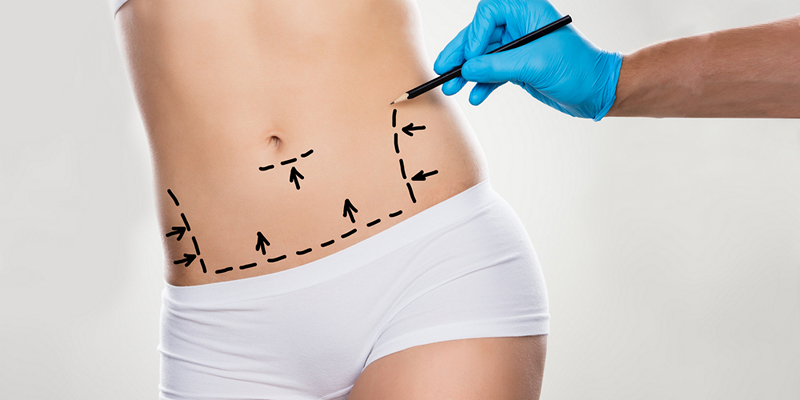
What is liposuction?
Liposuction is a surgical cosmetic procedure that involves removing stubborn fat tissue from the body using vacuum suction.
This method targets localized fat that cannot be eliminated through diet and exercise. It can be applied to areas such as the abdomen, waist, hips, buttocks, arms, and neck. It is a body shaping procedure, not a weight loss method. It yields more successful results in individuals with good skin elasticity. It is usually performed under general or local anesthesia. Fat can accumulate again if weight control is not maintained. A healthy lifestyle should be maintained for lasting results.
Why is liposuction performed?
Liposuction is performed to reshape body contours and reduce localized fat deposits.
It is an effective solution for stubborn fat that doesn’t disappear despite weight loss. It targets fat deposits in areas such as the abdomen, hips, back, arms, and chin. It improves aesthetic appearance and boosts self-confidence. It is applied for purely cosmetic reasons, not for medical purposes. Liposuction does not treat cellulite or sagging skin. It is commonly preferred by both women and men. Results can be long-lasting, depending on lifestyle.
How is liposuction performed?
Liposuction is a surgical procedure in which fat cells are removed from the body by vacuuming them out using special cannulas.
The procedure is usually performed under local or general anesthesia. First, a fluid is injected to facilitate fat removal. Then, fat cells are suctioned out using a thin cannula. The duration of the procedure varies depending on the number of areas treated. Mild swelling and bruising may occur after the procedure. Wearing a compression garment accelerates healing. Patients can usually return to their daily lives within a few days. A healthy lifestyle is important for lasting results.
Which areas can be treated with liposuction?
Liposuction can be applied to the abdomen, waist, hips, legs, arms, back, chin, and chest areas.
This procedure specifically targets fat deposits that are resistant to diet and exercise. Common treatment areas include the chest in men and the abdomen and hips in women. Micro-liposuction techniques are also preferred for smaller areas such as the chin and jawline. Multiple areas can be treated in the same session. More successful results are obtained in individuals with sufficient skin elasticity. The treatment area is determined according to the individual’s needs and expectations.
Who is liposuction suitable for?
Liposuction is suitable for healthy individuals who are close to their ideal weight but are dissatisfied with localized fat deposits.
This procedure is a body shaping method, not an obesity treatment. The success rate is high in individuals with good skin elasticity, who do not smoke, and who do not have chronic diseases. It is not recommended for pregnant women, breastfeeding women, or those with serious health problems. A detailed health screening should be performed before the surgery. Satisfaction levels are higher in individuals with realistic expectations. Results are permanent in individuals willing to change their lifestyle.
Is liposuction a weight loss method?
Liposuction is not a weight loss method; it is a procedure for localized slimming and body shaping.
This surgical procedure targets stubborn fat deposits in the body but does not provide overall weight loss. Individuals with weight problems are advised to prioritize diet and exercise. If weight gain occurs after liposuction, fat may accumulate in different areas. The best results are seen in individuals close to their ideal weight. A healthy lifestyle should be maintained after the procedure. The surgery is for aesthetic purposes only and does not aim to resolve health problems.
When do liposuction results become visible?
Liposuction results usually start to become noticeable within the first 3 to 4 weeks.
As postoperative swelling and bruising subside, body contours become more defined. However, it may take 3 to 6 months for the full results to become apparent. During this time, the body completely eliminates the edema caused by the operation, and the skin adapts to its new shape. Wearing a compression garment supports the healing process, while regular walks can improve blood circulation and reduce swelling. Healthy eating and exercise habits help the results be more lasting. Results may vary depending on individual metabolic rate and skin type.
Risks and Side Effects of Liposuction Procedure
Since liposuction is a surgical procedure, it can carry some risks and side effects.
The most common side effects include bruising, swelling, pain, temporary numbness, and skin tenderness. Although rare, infection, hematoma (blood accumulation), asymmetry, or skin irregularities may develop. Skin irregularities after liposuction are generally seen in individuals with poor skin elasticity. Having the procedure performed by an experienced surgeon in sterile environments significantly reduces these risks. Following all post-operative instructions from your doctor will speed up the healing process and minimize potential complications.
Can fat accumulate again after liposuction?
Although the number of fat cells in the same area decreases after liposuction, weight gain can cause the remaining cells to expand and fat to accumulate again.
Therefore, although liposuction seems like a permanent solution, the sustainability of the results depends on the individual’s lifestyle. Maintaining a healthy diet, exercising regularly, and keeping an ideal weight after the operation is crucial. Otherwise, the body will begin to accumulate fat in different areas, and the aesthetic appearance may deteriorate. Liposuction is a procedure for localized body shaping, not weight loss. Long-term lifestyle changes are essential for lasting and satisfying results.
Liposuction Prices 2026
Prices generally range from 4,000 ₤ to 6,000 ₤ Advanced techniques such as Vaser liposuction or laser lipolysis can be more expensive than classic liposuction methods.
Frequently Asked Questions (FAQ)
How much weight can you lose with liposuction?
Liposuction typically removes between 2 and 5 kilograms of fat tissue.
This procedure is not a weight loss method; it is applied for localized slimming and body shaping. The amount of fat removed varies depending on the patient’s general health and the area being treated. Removing too much fat is risky and not recommended. A noticeable reduction in body contours is achieved after the procedure. Results may not be permanent if weight control is not maintained. However, the effects can be sustained for a longer period with healthy lifestyle habits.
Can sagging occur after liposuction?
Individuals with low skin elasticity may experience sagging after liposuction.
Individuals with young and firm skin have a much lower risk. It may take time for the skin to adapt to its new shape after the procedure. The likelihood of sagging increases, especially in areas where a large amount of fat has been removed. Wearing a compression garment and following the doctor’s recommended skincare routines can reduce this risk. If necessary, a facelift surgery may be planned in the future. The risk of sagging should be assessed based on individual skin type.
Can men also have liposuction?
Yes, men can also have liposuction, and it is a common option, especially for the abdomen, waist, and chest areas.
In men, liposuction is highly effective in treating gynecomastia and removing localized fat. It offers a successful solution for fat deposits that cannot be eliminated through exercise and diet. It also helps to make abdominal muscles more defined. Since men’s skin is generally tighter than women’s, the recovery process can also be advantageous. Suitability should be assessed with a detailed examination before the procedure.
How long does it take to heal after liposuction?
The recovery process after liposuction usually begins between 1 and 2 weeks, but full recovery can take several months.
Swelling, bruising, and mild pain may occur in the first few days, but these will subside over time. Patients can usually return to their daily lives within 3–5 days. Wearing a compression garment accelerates healing and supports body shape. Sports and strenuous activities should be avoided for the first few weeks. Full results may take 3 to 6 months to appear. The healing process varies depending on individual skin type and the area treated.
Can the effects of liposuction be maintained with exercise and diet?
Yes, regular exercise and a healthy diet help maintain the aesthetic results obtained after liposuction.
Fat cells do not regenerate in the area where they are removed, but the remaining cells can grow. Therefore, weight gain can lead to new fat deposits. A balanced diet and an active lifestyle help maintain body shape. Exercise, especially in the abdominal and hip areas, strengthens muscle structure and helps maintain form. A conscious lifestyle after liposuction supports the long-term success of the surgery. Otherwise, the aesthetic gains may be lost.
Is Liposuction a Painful Procedure?
Liposuction is usually performed under anesthesia, so no pain is felt during the procedure.
However, mild pain, tenderness, swelling, and bruising may occur after the procedure. These effects usually subside within a few days. The process can be comfortable with pain relievers prescribed by your doctor. Wearing a compression garment helps with healing and also reduces pain. Although the intensity of the pain varies from person to person, it is generally tolerable. The healing process should be closely monitored with regular check-ups.