


What is nasolabial filler?
Nasolabial filler is an aesthetic injection procedure used to soften lines extending from the sides of the nose to the corners of the mouth.
This procedure typically uses fillers containing hyaluronic acid. Injected under the skin, the filler reduces the depth of lines and gives the face a more youthful expression. The procedure is quick, requires no surgical intervention, and the recovery process is quite rapid. The effects are immediately visible and last an average of 6-12 months. Nasolabial fillers add volume to the lower part of the face, providing a balanced and natural look.
What causes nasolabial lines?
Nasolabial lines become more prominent over time due to aging, facial expressions, and decreased skin elasticity.
The decrease in collagen and fat tissue under the skin causes the lines in this area to appear deeper. Facial expressions such as smiling and talking also accelerate the formation of these lines. Genetic predisposition, smoking, sun damage, and the effects of gravity can also increase nasolabial folds. Volume loss in the face after weight loss is another factor that increases the prominence of these lines. Skin structure and age-related changes can create a firmer appearance in this area over time.
Why are nasolabial fillers used?
Nasolabial filler treatment is used to reduce deepening of the nose and mouth lines and to give the face a youthful, vibrant expression.
Nasolabial lines, which become more prominent over time, can make a person look tired and older. Filler injections soften these lines and provide a more balanced appearance to the face. Hyaluronic acid-based fillers add volume to the skin, filling the lines from within. This non-surgical procedure provides effective results quickly. The person can quickly return to their daily life after the application. When applied with the correct technique, it provides a natural, understated, and rejuvenating effect.
How is nasolabial filler applied?
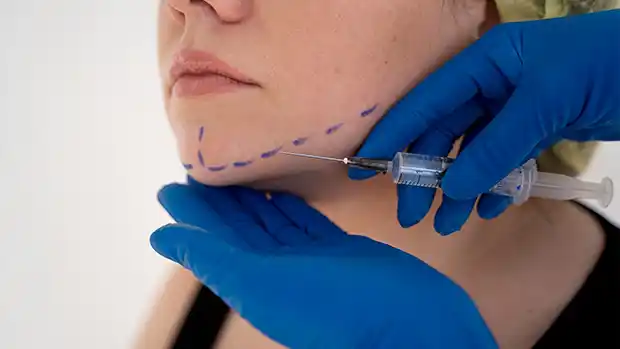
Nasolabial fillers are applied by injecting substances containing hyaluronic acid along the nasolabial folds using a fine needle or cannula.
Before the procedure, the area is numbed with an anesthetic cream to ensure comfort. During the application, filler is injected under the line, adding volume to the skin. This volume reduces the depth of the line and smooths the skin’s surface. The procedure takes approximately 15-30 minutes, and results are immediately visible. The person can immediately return to their daily life after the procedure. Mild swelling or redness may occur, but these effects usually subside quickly. It is important that the procedure is performed by a qualified physician for natural results.
What substances are used in nasolabial filler injections?
Nasolabial fillers are generally used with hyaluronic acid-based substances that are compatible with the skin and have high water retention properties.
Hyaluronic acid is a naturally occurring and highly effective, safe substance used in filler treatments. Injected under fine lines, it adds volume to the skin and provides a rejuvenating effect. Some filler products also contain local anesthetics like lidocaine, which enhances comfort during the procedure. The effects of fillers typically last between 6 and 12 months, and they are naturally absorbed by the body over time. For optimal results, high-quality products should be chosen.
Who is a suitable candidate for nasolabial filler treatment?
Nasolabial filler is suitable for individuals with prominent nasolabial lines and a tired facial expression.
This procedure is generally performed on individuals over 25 to reduce the signs of aging. It is an ideal aesthetic solution for individuals with suitable skin type and good general health. It is an effective alternative for those who want to soften lines while preserving facial expressions. It is preferred by people who do not want surgery but want to rejuvenate their face. However, it is not recommended during pregnancy, breastfeeding, and in cases of certain skin diseases. Suitability assessment should be performed by a specialist doctor.
How long do nasolabial fillers last?
Nasolabial fillers provide lasting results for an average of 6 to 12 months, depending on the substance used.
Hyaluronic acid-based fillers are absorbed by the body over time. This time can vary depending on the person’s age, skin type, lifestyle, and metabolic rate. While the effect may be shorter-lived after the first filler application, its duration can be extended with regular repetitions. Excessive facial expressions, smoking, and sun exposure can cause the filler to dissolve more quickly. The need for more fillers can be determined during post-application check-ups. To increase the longevity of the effect, high-quality products and expert application should be preferred.
What precautions should be taken after nasolabial filler treatment?
After nasolabial filler treatment, avoid lying face down and staying away from hot environments for the first 24 hours.
It is important to avoid applying pressure to the injected area, refrain from massage, and postpone strenuous sports activities. Mild swelling and redness may occur after the procedure; these usually subside quickly. Cold compresses can reduce swelling. It is recommended to avoid makeup and excessive facial expressions on the first day. Drinking plenty of water helps the filler integrate with the skin. If you experience any pain, bruising, or hardness, you should consult your doctor immediately. Following your doctor’s aftercare recommendations precisely will speed up healing.
Does nasolabial filler change facial expression?
When applied correctly, nasolabial fillers do not alter facial expressions; they simply reduce the appearance of fatigue, giving a more youthful look.
Fillers soften lines and smooth the skin without interfering with the face’s natural expressions. Unless excessive filler is used, expressions such as smiling and speaking remain unchanged. Applications that adhere to natural proportions preserve facial aesthetics. It is therefore important that the amount of filler and the injection technique are determined by a specialist. It is an ideal solution for those who want to maintain a natural look and expression. With personalized planning, facial expression is preserved in a balanced way.
What are the advantages and disadvantages of nasolabial fillers?
Nasolabial fillers can soften lines and provide facial rejuvenation, but their temporary nature and mild side effects can be considered disadvantages.
Advantages include not requiring surgery, quick results, and minimal recovery time. The procedure significantly softens deep nasolabial lines and gives the face a more dynamic appearance. Furthermore, filler can be repeated as needed; the dosage can be adjusted individually. As a disadvantage, the effect is not permanent and may need to be renewed every 6-12 months. Mild swelling, bruising, or tenderness may occur after the procedure, but these disappear quickly. There is a risk of an artificial look with excessive filler use; therefore, natural planning is important.
Is Nasolabial Filler Risky? What are the Side Effects?
Although nasolabial filler treatment is generally safe, there can be minor side effects and rare risks.
Temporary side effects such as swelling, bruising, redness, or mild pain are normal in the first few days. These effects usually disappear within a few days. Rarely, displacement of the filler, lumps, or tenderness may occur. In very rare cases, more serious risks such as infection, allergic reaction, or vascular complications may arise; these risks are minimized when working with an experienced physician. Sharing your medical history and having the procedure performed in a sterile environment minimizes the risks. It is important to contact your doctor if you experience any serious or prolonged discomfort.
Nasolabial Filler Prices 2026
In 2026, nasolabial filler prices will range from 3500 ₤ to 5500 ₤, depending on clinic location, level of expertise, and the brand of product used.
Frequently Asked Questions (FAQ)
How many milliliters of nasolabial filler should be used?
Nasolabial filler is typically applied in amounts ranging from 1 to 2 ml, depending on the depth of the individual’s lines.
While 1 ml may be sufficient for mild lines, 2 ml or additional doses as needed may be prescribed for deep wrinkles. The dosage should be determined by a specialist physician based on the overall facial structure and the desired effect. Controlled application is essential, as excessive filler can compromise natural results. It is recommended to start with a minimal dose in the first application and add more in the second session if necessary. Symmetry should be achieved by applying the filler equally and evenly to both sides. Personalized planning is crucial for natural and aesthetic results.
Will there be any changes in facial expressions after filler injections?
When performed with the correct technique, filler applications do not affect facial expressions and preserve natural facial expressions.
Facial expressions depend on the mobility of the area where the filler is injected and the amount of filler used. Nasolabial fillers generally do not affect the mimic muscles; they only soften lines by increasing the volume under the skin. In case of excessive filler, slight restriction of facial expressions may occur. Therefore, it should be applied by a specialist physician with dose control. Thanks to balanced application, the person can continue their daily life with a rejuvenated and natural expression.
How long does it take for nasolabial filler to settle?
Nasolabial fillers typically settle and take on their natural form within 3 to 7 days.
You may experience slight swelling and a feeling of fullness within the first 24 hours; these effects are temporary. The filler integrates with the tissue over time, and the volume over the lines is balanced. While it varies from person to person, the final results are usually visible within a week. During this process, excessive facial expressions and pressure should be avoided. Cold compresses and drinking plenty of water can speed up healing. Minor touch-ups can be done under the supervision of a doctor if needed.
Will the filling done in this area look natural?
Fillers injected into the nasolabial area using the correct technique provide a natural look that is harmonious with the facial structure.
Hyaluronic acid-based fillers are compatible with skin tissue, softening lines and providing a youthful appearance without disrupting the naturalness of facial expression. As long as excessive filler is not applied, facial expressions are preserved, and an artificial look is avoided. When the dosage and injection points are carefully planned by an expert physician, the results are aesthetic and natural. Mild swelling after the procedure is temporary. For a natural look, personalized planning and balance should be prioritized.
Is it possible to inject fillers into other areas simultaneously?
Yes, nasolabial filler can be injected in the same session as filler injections in other areas.
Combined treatments targeting areas such as the cheeks, lips, chin, and marionette lines can enhance facial integrity and proportional balance. This provides more effective results in facial rejuvenation and symmetry. A detailed facial analysis before the procedure determines which areas need support. The total amount of filler must be controlled, and injections should be administered to each area using the appropriate technique. With expert evaluation, multiple treatments can be performed safely and successfully.
What happens if nasolabial filler treatment is not repeated?
If nasolabial filler treatment is not repeated, the filler will be absorbed over time and the lines may return to their original state.
Hyaluronic acid is not permanent because it is naturally broken down by the body. The level of wrinkles before the filler treatment may return, but the skin may regain some water retention. It does not cause any sagging or worsening of the face; only the filling effect diminishes. Renewal is generally recommended every 6-12 months. If not renewed, the face will return to its original state, but the appearance will not worsen. The duration of the effect can vary from person to person.