


What is PRP?
PRP is a natural treatment method that uses platelet-rich plasma obtained from the patient’s own blood.
PRP (Platelet-Rich Plasma) is applied by separating blood through a special process to obtain platelet-rich plasma. This plasma contains growth factors that support cell regeneration and tissue repair. It can be used in many areas such as preventing hair loss, skin rejuvenation, and wound healing. Due to its natural ingredients, the risk of allergies or side effects is quite low. PRP treatments are completed quickly and provide effective results.
How does PRP treatment work?
PRP therapy accelerates cell regeneration and healing by injecting growth factors into the body.
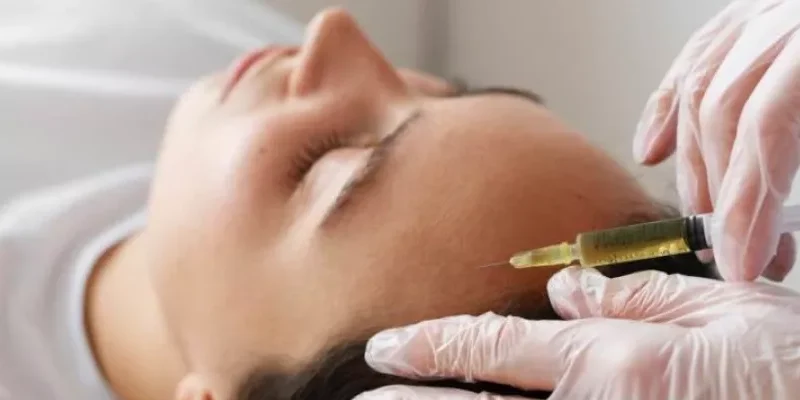
Blood taken from the patient is separated using special devices to obtain platelet-rich plasma. This concentrated plasma is applied to the problematic area using a microinjection method. The growth factors found in platelets trigger tissue regeneration and cell repair. It strengthens hair follicles, increases skin elasticity, and supports collagen production. The effect of PRP increases over time, and permanent results can be obtained with regular sessions. It is a safe method because it is made using natural and the body’s own resources.
For what purposes is PRP applied?
PRP is used to prevent hair loss, rejuvenate skin, and accelerate wound healing.
Widely used in aesthetics and dermatology, PRP nourishes hair follicles, reducing hair loss and promoting new hair growth. It is also preferred for reducing fine lines on the face, evening out skin tone, and adding radiance. It is effective in treating acne scars, stretch marks, and other blemishes. Furthermore, it can be used to support the healing process in orthopedic and sports injuries. Thanks to its natural and versatile effects, PRP treatment offers benefits in many different areas.
Which areas can PRP be applied to?
PRP treatment is applied to the scalp, face, neck, hands, and other areas requiring skin rejuvenation.
PRP is most commonly applied to the scalp to prevent hair loss. On the face, it’s used to reduce wrinkles, even out skin tone, and rejuvenate the skin. It’s effective in areas showing signs of aging, such as around the eyes, forehead, cheeks, neck, and décolleté. It can also be applied to sun-damaged areas like the backs of the hands. PRP increases collagen production in the treated area, making the skin appear more vibrant and firm. In this respect, PRP is both an aesthetic and restorative treatment option.
How does PRP work in skin rejuvenation?
PRP stimulates collagen production in the skin, resulting in renewal, tightening, and rejuvenation.
Platelet-rich plasma (PRP), when injected under the skin, triggers cell regeneration. Thanks to growth factors, skin elasticity increases, fine lines are reduced, and skin tone is evened out. PRP stimulates natural collagen production, making the skin look fuller, brighter, and more vibrant. It also repairs sun damage, reduces blemishes, and improves skin texture. With regular applications, the skin becomes more resistant to the aging process. Because it contains natural ingredients, the risk of allergies is low.
Who is PRP suitable for?
PRP is suitable for people experiencing hair loss, those seeking skin rejuvenation, and those looking for natural treatments.
PRP treatment yields effective results in individuals with genetic hair loss, age-related skin sagging, or skin blemishes. Because the risk of allergies is low, it can be safely applied to most people. Individuals seeking natural regeneration but wanting to avoid surgery particularly prefer PRP. It may not be suitable for pregnant women, cancer patients, or those with blood disorders. Suitability should be confirmed by a doctor’s evaluation. Combined with a healthy lifestyle, PRP is an effective and safe option.
How long does it take for PRP treatment to show results?
PRP usually starts to show its effects 3–4 weeks after the first application.
Mild redness and sensitivity may occur in the first few days after the application, but this will quickly subside. The first noticeable effects are seen as the skin appearing brighter and more vibrant. In hair treatments, a reduction in hair loss and an improvement in hair quality are noticeable within a few weeks. Generally, 3-4 sessions are required for the full effect to settle and for lasting results. The effect continues as collagen production in the skin increases over time. Regular application provides long-lasting results.
Number of PRP Sessions and Application Intervals
PRP treatment is usually administered in 3-4 sessions, with 3-4 weeks between sessions.
The treatment plan is determined according to the individual’s needs and the area to be treated. While 3 sessions are sufficient for skin rejuvenation, 4-6 sessions may be required for hair loss treatment. It is recommended to wait 3 to 4 weeks between sessions to allow the skin or hair follicles to regenerate. After the first course is completed, repeating the sessions 1-2 times a year supports the permanence of the effects. Adhering to the plan recommended by the doctor is important for obtaining the maximum benefit of PRP.
What are the advantages and disadvantages of PRP?
The advantages of PRP are its natural treatment, rapid healing, and versatile use; the disadvantage is that its effect varies from person to person.
PRP has a low risk of allergies because it is obtained from the patient’s own blood, and it is suitable for various purposes such as hair loss or skin rejuvenation. Thanks to its growth factors, it stimulates collagen production, increases skin elasticity, and can strengthen hair follicles. The application time is short, and recovery is usually rapid. As a disadvantage, some individuals may take longer to see noticeable results or may require additional sessions. The level of effectiveness varies depending on individual factors, so managing expectations is important.
Is PRP risky? Are there any side effects?
No, PRP is generally a low-risk procedure, and its side effects are rarely mild or temporary.
Because PRP treatment uses the patient’s own blood, the risk of serious allergic reactions or infections is quite low. Mild redness, swelling, bruising, or tenderness may occur after the procedure, but these effects usually subside within a few days. In very rare cases, mild headaches or temporary discomfort may occur. When post-procedure care and hygiene rules are followed, the risk of complications is kept to a minimum. Serious side effects are rare, which is why it is important to have the procedure performed in a specialized clinic.
PRP Prices 2026
PRP prices in 2026 generally range from 1,500₤ to 5,000₤ per session.
Frequently Asked Questions (FAQ)
Is PRP a Painful Procedure?
No, PRP is a procedure performed under local anesthesia and is usually painless or causes only mild discomfort.
Before PRP treatment, a local anesthetic cream is applied to the skin to increase comfort. Only a slight stinging or pressure sensation may be felt during blood collection and injection, but this is generally tolerable. Because the procedure is short, pain is minimal. Mild stinging or tenderness may occur after the application, but these effects subside quickly. Most patients describe PRP as a comfortable and painless treatment, which contributes to its popularity.
Is PRP permanent?
PRP does not provide permanent effects, but long-lasting and near-permanent results can be achieved with regular sessions.
The effects of PRP treatment appear over time and can vary from person to person. In skin rejuvenation or hair loss treatment, effects may last 3-6 months. To maintain this effect, repeat sessions 1-2 times a year are generally recommended. PRP supports collagen production and cell regeneration, which protects skin and hair health in the long term. The duration of these effects varies depending on the individual’s age, lifestyle, and skin type. Regular care and a healthy lifestyle will help the effects last longer.
What is the difference between PRP and Mesotherapy?
PRP is performed using the patient’s own blood; mesotherapy, on the other hand, involves mixtures of vitamins, minerals, and medications.
In PRP therapy, blood is drawn, separated through special processes, and the platelet-rich plasma is injected into the problematic area. Mesotherapy, on the other hand, is applied under the skin with micro-injections using ready-made mixtures. PRP is completely natural and personalized; mesotherapy can vary according to different ingredients. Both methods are used in areas such as skin rejuvenation and hair loss. Although their mechanisms of action are similar, their ingredients and application goals differ. Which method is suitable should be determined according to the individual’s needs.
What precautions should be taken after PRP treatment?
Showering, applying makeup, and strenuous exercise should be avoided for the first 24 hours after PRP treatment.
The treated area should be kept clean, and peeling or chemical products that may irritate the skin should not be used. Factors that negatively affect skin regeneration, such as alcohol, smoking, and sunlight, should be avoided. Mild swelling and redness may occur in the first few days; this is normal. Pressure should not be applied to the injection sites, and activities such as hot showers or saunas should be postponed. Creams or skincare products recommended by the doctor should be used, and the instructions given should be followed.
Is PRP suitable for everyone?
No, PRP should not be administered to people with certain health conditions.
PRP is not suitable for pregnant or breastfeeding women, those with blood clotting disorders, or those with a history of active infection or cancer. Similarly, individuals with autoimmune diseases or those regularly taking blood-thinning medications should undergo a preliminary evaluation. PRP can be safely applied to individuals in good general health and without serious chronic diseases. A detailed medical evaluation before the procedure is essential. This evaluation ensures the treatment is safe and effective.