



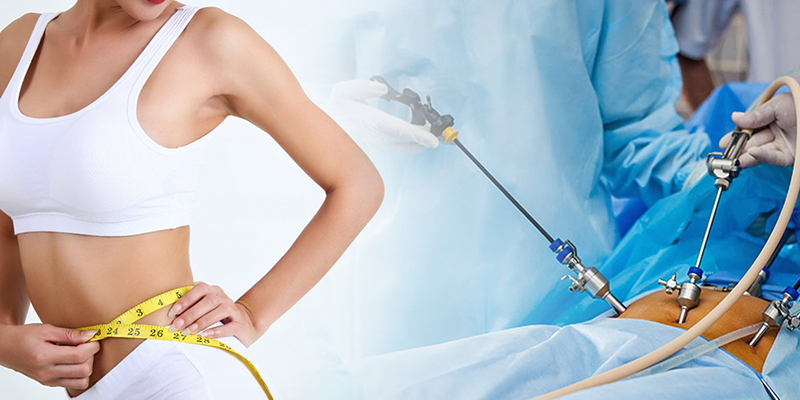
What is sleeve gastrectomy?
The process of removing a large part of the stomach by entering the abdomen with the laparoscopic technique and reshaping the stomach is called sleeve gastrectomy surgery. Thanks to the development of technology, the procedure is applied without complications and with satisfactory results. It is the most effective weight loss process applied in recent years.
Who is eligible for sleeve gastrectomy?
The procedure is applied to people with a body mass index of 35 and above. The procedure is made for people who are in the morbidly obese category and cannot reach the desired weight despite dieting. The procedure is not recommended for patients with advanced diabetes and excessive reflux.
What is the duration of sleeve gastrectomy?
The average processing time is 90 minutes. This period varies according to the patient’s stomach size and the surgeon’s experience.
Which Stomach Reduction Surgery is most Commonly Performed?
Studies reveal that the most common gastric reduction procedure for the last 15 years is sleeve gastrectomy surgery. It is frequently preferred because of its low risk of complications and high success rate.
How Much Weight loss is achieved by those who have a sleeve gastrectomy?
The rate of weight loss after surgery varies from patient to patient. When the results of the surgeries are examined, a patient can lose 40 kilos at the end of the first 3 months and 50 kilos at the end of 6 months. The main goal of the surgery is that the patients lose at least 40% of their weight.
What is the upper age limit for sleeve gastrectomy?
There is a risk, albeit small, in almost all surgical procedures. These risks increase with increasing age. Experts consider that gastric sleeve surgery is appropriate up to the age of 65. The risk of surgery increases due to the increase in chronic diseases after 65 years of age.
What kind of food intake is recommended After Gastric Sleeve Surgery?
Nutrition intake should be carried out gradually after the surgery with a diet program under the auspices of a dietitian. The transition from liquid food to solid food is done within 2 months. Meals rich in vitamins and minerals shall be prepared. A healthy and balanced diet shall be prepared.
Can Gastric Sleeve Surgery Be Applied to Anyone With Weight Problems?
The body mass index is taken into account, not the weight of the patient, when making the decision for surgery. The procedure can be applied to people with a body mass index of 35 and above, and to people who have problems such as metabolic syndrome due to weight. Weight loss is necessary for maintaining health rather than aesthetic appearance. When weight exceeds a certain rate, it has an adverse impact on the body systems, especially the endocrine, digestive and respiratory systems. Therefore, if your weight ratio reaches a level that will affect your health, we recommend that you consult with a specialist doctor.
How long does it take to get back to normal after gastric sleeve surgery?
Patients can return to their normal lives in a short time thanks to the technique used for the operation. Sick leave can be extended to 1 month for individuals who have strenuous jobs. You can return to work life 1 week after the operation. Light-paced exercises can be done after a month.
Does Gastric Sleeve Surgery leave any scars?
There is no scarring after sleeve gastrectomy surgery, which is applied with the closed technique. The incisions made around the navel are 2 centimeters in average and become indiscernible one year after the procedure. Surgical scars can be completely eliminated with dressing products and drugs developed in recent years. However, scarring can occur due to poor wound healing in wounds that are not regularly dressed and become infected.
Can Weight Gain occur again After Surgery?
The stomach is an organ that is structurally flexible and always has the tendency to grow. Therefore, if adequate attention is not given to the diet after surgery and a sedentary lifestyle is maintained, most of the lost weight can be regained. The most important condition for a healthy and quality life is a regular diet and an active life. You can maintain both your general physical health and your fit image by changing your lifestyle after the surgery. In addition, the increase in your quality of life will always make you feel good.
Is Gastric Sleeve Surgery Risky? What are the General Risks?
All surgical interventions have some risks, albeit simple. The general risks of sleeve gastrectomy surgery are bleeding, leakage, nausea, vomiting and regaining weight. These risks can vary according to the operating surgeon and the patient.
Nutrition After Stomach Surgery
Liquid and pureed foods shall be consumed for the first 2 weeks. Carbonated drinks should be avoided for life. The consumption of quality products is recommended since the number of servings is reduced. Liquid and solid foods should not be consumed at the same time. Food intake should be done slowly with pauses.
Is There Any Pain After Gastric Sleeve Surgery?
Since the abdominal muscles are not cut during surgery, there is no serious pain. Mild discomfort can be observed during the first 24 hours. This discomfort can be tolerated with painkillers.
The Risk of Leakage and Symptoms of Leakage After Gastric Sleeve Surgery
Leakage can occur as a result of a very small hole that has not been closed during surgery. Leakage symptoms are tachycardia, dizziness, fever, indescribable abdominal pain and pain in the shoulders. A doctor should be consulted without delay if these complaints develop after sleeve gastrectomy surgery.
Is Vitamin and Mineral Supplementation Made After Gastric Sleeve Surgery?
There is no need for vitamin and mineral supplements in the first months. However, if missing values are detected in the blood tests performed during regular doctor check-ups, vitamin and mineral supplements are ordered. The patient’s low blood values, constant weakness and fatigue are indicators of vitamin deficiency.
If you have these listed complaints, you should consult your specialist doctor and be examined. Vitamin deficiency might not be evident after the operation in people who did not have a vitamin deficiency complaint before the procedure. However, regular doctor’s checks should not be interrupted and examinations should be continued.
Sports after gastric sleeve surgery
The general condition of the patient is evaluated one month after the operation, and some activities are recommended to increase the weight loss rate. It is recommended to walk at least 4 kilometers 4 days a week. This exercise regimen is supported by exercises such as jogging and tennis. Sports activities after sleeve gastrectomy both accelerate weight loss and eliminate the possibility of clotting.
How Many Days of Hospitalization is required after gastric sleeve Surgery?
A hospital stay of at least 3 days is recommended after the operation. During this period, the patient’s dressings are made. The patient’s diet and movements are followed. Regular maintenance is done to adapt the body to the new stomach shape and size.
Does SSI Cover Gastric Sleeve Surgery?
SSI covers the sleeve gastrectomy surgery if the person’s body mass index is 40 and above and if this excess weight causes disorders. However, if the body mass index is less and the person has this procedure for purely aesthetic purposes, he or she will cover all the expenses of the surgery out of pocket.
When Do the Stitches Heal After Gastric Sleeve Surgery?
Both internal and external sutures are placed during the operation. It takes 15 days for the internal stitches to heal. Full recovery time is 1 month. During this time, care should be taken to prevent the sutures from becoming infected.
Gastric Sleeve Surgery Prices 2026
Surgery prices are not fixed. Hospitals have their own pricing policy. The type of anesthesia used for the procedure varies according to the operation method, length of stay in the hospital, patient care costs of the hospital and the exchange rate difference. You can call us to get detailed information about the sleeve gastrectomy surgery and prices.