



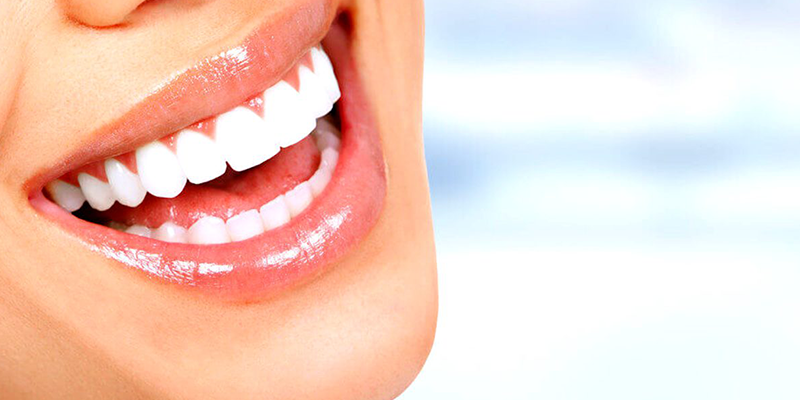
What is Smile Design?
Smile design is a customized dental approach that improves the harmony of teeth, gums, and lips for an ideal smile.
It combines cosmetic and restorative treatments to enhance aesthetics and function. Dentists evaluate facial features, tooth shape, color, and alignment to create a personalized plan. The goal is a natural-looking, symmetrical smile tailored to the patient’s face. Digital tools and mock-ups help preview results. Smile design boosts confidence and is tailored to individual preferences and needs.
What Procedures Are Included in Smile Design?
Smile design may include teeth whitening, veneers, gum contouring, crowns, bonding, or orthodontic treatment depending on the case.
The process starts with an aesthetic analysis to determine which procedures are needed. Teeth alignment, shape correction, and color enhancement are common goals. Advanced techniques like digital smile simulation guide treatment. Some cases may also involve implants or bridges. The combination of procedures varies based on dental health and cosmetic expectations. All steps aim for long-lasting, natural-looking results.
Who is a Good Candidate for Smile Design?
Anyone with healthy gums and teeth who desires aesthetic improvement is a good candidate for smile design.
It’s ideal for those with stained, chipped, misaligned, or uneven teeth. Candidates should have realistic expectations and be committed to oral hygiene. Patients with underlying dental issues may need preliminary treatment before cosmetic steps. Adults of all ages can benefit, and a digital preview ensures the outcome aligns with facial structure. A thorough dental assessment confirms eligibility for safe and effective results.
How is Smile Design Performed?
Smile design begins with digital imaging and aesthetic analysis, followed by customized treatments like veneers, whitening, or reshaping.
The dentist evaluates facial proportions, tooth size, and color to plan ideal improvements. Mock-ups or digital simulations help preview final results. Based on the plan, treatments are performed over one or more sessions. Pain-free techniques and modern materials ensure comfort and natural aesthetics. The process is tailored to each patient and may include both cosmetic and functional improvements for a balanced, radiant smile.
How Long Does Smile Design Take?
Smile design typically takes 1 to 4 weeks, depending on the complexity and number of procedures involved.
Minor treatments like whitening or bonding can be completed in one visit, while veneers or orthodontics may take multiple appointments. A digital plan helps streamline the process. The timeline also depends on healing time, lab work, and patient availability. Your dentist will provide a personalized schedule. Most cases are completed within a month for a transformed smile.
What is Digital Smile Design?
Digital Smile Design (DSD) uses advanced software to plan and visualize a customized smile based on facial features.
DSD involves high-resolution imaging, 3D scans, and videos to analyze your face and smile dynamics. It allows both dentist and patient to preview and adjust the final look before any treatment begins. This approach ensures precise, natural, and aesthetic results. DSD improves communication, accuracy, and satisfaction. It’s ideal for those seeking personalized, predictable smile transformations.
What to Expect After Smile Design?
After smile design, expect improved aesthetics, mild sensitivity, and the need for good oral care to maintain results.
Recovery depends on the procedures performed—veneers may cause slight discomfort, while whitening might lead to temporary sensitivity. You’ll be advised to avoid staining foods and maintain excellent hygiene. Follow-up visits ensure the results are stable and functional. Most patients feel more confident and satisfied with their appearance. With proper care, results last for years.
Is Smile Design Permanent?
Smile design results are long-lasting but not completely permanent, depending on materials used and oral care.
Porcelain veneers, crowns, and implants can last 10–20 years with proper hygiene and check-ups. Teeth whitening may need touch-ups over time. Daily habits, diet, and avoiding smoking impact the longevity of results. Regular dental visits help preserve aesthetics and functionality. While durable, smile design may require maintenance or updates in the long term.
Does Smile Design Look Natural?
Yes, smile design looks natural when customized to match your facial structure, tooth shape, and skin tone.
Modern materials like porcelain veneers closely mimic the translucency and texture of natural teeth. Digital planning ensures balance and harmony with facial features. The goal is to enhance—not overcorrect—your smile. Dentists carefully adjust size, color, and alignment for a seamless appearance. When done properly, smile design results in a confident, natural-looking smile that complements your face.
Smile Design Prices 2026
In 2026, smile design prices range from $2,000 to $20,000, depending on treatments, materials, and provider location.
Frequently Asked Questions (FAQ)
Is Smile Design Painful?
Smile design is generally not painful, thanks to local anesthesia and minimally invasive techniques used during procedures.
You might feel slight sensitivity after treatments like whitening or veneers, but it’s temporary and manageable. Most patients report minimal discomfort throughout the process. Dentists prioritize your comfort with gentle methods and modern tools. If needed, over-the-counter pain relievers can ease post-procedure effects. Overall, smile design is a safe and well-tolerated cosmetic solution.
Can Anyone Get Smile Design?
Most people with healthy teeth and gums can get smile design, after a dental evaluation confirms they are suitable candidates.
It’s ideal for those looking to improve aesthetics due to discoloration, uneven teeth, or gum issues. Patients with active decay or gum disease may need treatment first. Age is not a barrier as long as oral health is stable. Your dentist will assess your goals and create a plan tailored to your facial features and expectations.
Will Smile Design Affect How I Speak?
Smile design rarely affects speech, but minor temporary changes may occur as your mouth adjusts to new dental work.
Most patients adapt quickly, especially when the procedures are done with precise planning and balanced proportions. Treatments like veneers or crowns are carefully shaped to match your bite and phonetics. Any initial lisp or speech change usually resolves within days. If issues persist, your dentist can make small adjustments for comfort and clarity. Proper fitting ensures natural speaking ability is maintained.
Does Smile Design Include Teeth Whitening?
Yes, teeth whitening is often included in smile design to enhance tooth brightness and achieve a more uniform smile.
It’s usually one of the first steps, helping match natural teeth to restorations like veneers or crowns. Whitening lightens stains and improves overall aesthetics. Dentists select the shade based on your facial tone and design goals. The treatment is quick, safe, and improves the outcome of other cosmetic procedures. For long-lasting results, post-whitening care is essential.
How Should I Care for My Teeth After Smile Design?
Brush twice daily, floss gently, and visit your dentist regularly to maintain results after smile design treatment.
Avoid staining foods, smoking, and hard biting on restorations like veneers. Use a non-abrasive fluoride toothpaste and consider a soft-bristle brush. Custom night guards may be recommended if you grind your teeth. Regular professional cleanings help prevent plaque buildup and keep your smile bright. Good oral hygiene preserves your investment and ensures long-term success.