



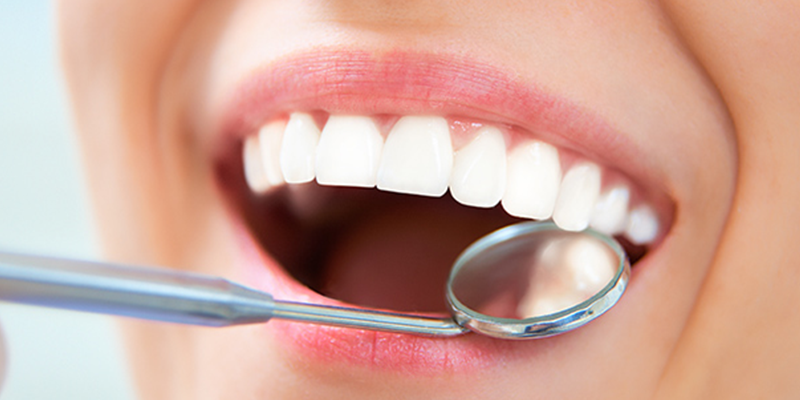
What is Teeth Whitening (Bleaching)?
Teeth whitening is a cosmetic procedure that lightens tooth color by removing stains and discoloration using bleaching agents.
It’s commonly performed with hydrogen peroxide or carbamide peroxide, which break down stains on the enamel. Whitening enhances smile brightness, boosts confidence, and is safe when done professionally. Options include in-office treatments or take-home kits prescribed by dentists. The procedure does not damage enamel if proper methods are followed. Results vary depending on the tooth’s condition and lifestyle habits.
What Are the Methods of Teeth Whitening?
Teeth whitening methods include in-office bleaching, at-home kits, whitening toothpaste, and custom trays provided by dentists.
In-office treatments offer quick, noticeable results using strong bleaching agents and LED lights. At-home kits use lower-concentration gels for gradual whitening. Whitening toothpaste helps maintain results but is less effective alone. Custom trays provide a balanced option, fitting your teeth precisely for even application. The right method depends on your goals, budget, and tooth sensitivity level.
Who Can Get Teeth Whitening?
Teeth whitening is suitable for adults with healthy teeth and gums and no severe sensitivity or restorations on front teeth.
It’s ideal for those with stains from food, drinks, smoking, or aging. Whitening doesn’t work well on crowns, veneers, or internal discoloration. Pregnant or nursing women and children are generally advised to avoid bleaching. A dentist’s evaluation ensures your teeth are safe for treatment and helps select the best approach. Good oral hygiene supports long-lasting results.
How is Teeth Whitening Done?
Teeth whitening is done by applying a bleaching gel to teeth, often activated by a special light or laser.
In-office treatments involve cleaning teeth, protecting gums, and applying professional-strength gel for 15–60 minutes. At-home methods use custom trays or strips with milder gel, worn daily for 1–2 weeks. Results depend on the method used and initial tooth shade. Whitening is safe when supervised by a dentist and provides visible improvement in tooth color.
How Long Does Teeth Whitening Take?
Teeth whitening takes 30 to 90 minutes per session, with visible results often after just one appointment.
In-office treatments offer faster results, while at-home kits may take 1–2 weeks of daily use. The duration depends on the severity of stains and the method chosen. Deep discoloration may require multiple sessions. Your dentist will guide you on the expected timeline. Professional whitening provides long-lasting brightness when combined with proper oral care.
Is Teeth Whitening Permanent?
Teeth whitening is not permanent; results typically last 6 months to 2 years depending on habits and oral hygiene.
Exposure to coffee, tea, red wine, and smoking can cause faster fading. Good brushing, regular cleanings, and avoiding staining foods help maintain results. Touch-up treatments can be done as needed. While the effects are temporary, they can be prolonged with proper care and lifestyle adjustments. Whitening longevity also varies by the method used and your enamel’s condition.
What to Avoid After Teeth Whitening?
Avoid dark-colored foods, acidic drinks, and smoking for at least 48 hours after teeth whitening to prevent new stains.
Foods like coffee, tea, red wine, berries, and sauces can discolor newly whitened enamel. Also, steer clear of colored mouthwash and tobacco. Stick to a white diet—chicken, rice, milk—for a few days. Use a straw for drinks and brush gently with fluoride toothpaste. Following these steps preserves the brightness and protects sensitive enamel during this vulnerable period.
Is Teeth Whitening Safe?
Yes, teeth whitening is safe when performed by a dental professional or using approved at-home products as directed.
Temporary sensitivity or gum irritation may occur but typically fades quickly. Whitening gels are formulated to protect enamel and are regulated for safety. Overuse or improper application may cause harm, so following your dentist’s guidance is essential. Custom trays reduce risk by ensuring even coverage. Regular check-ups help monitor results and maintain oral health.
Can You Whiten Teeth at Home?
Yes, you can whiten teeth at home using whitening strips, gels, trays, or LED kits with dentist-approved ingredients.
At-home whitening is convenient and affordable, though results may be slower than professional treatments. Custom trays from dentists offer better fit and even coverage. Over-the-counter products are easy to use but vary in strength. Avoid DIY methods with abrasive ingredients like lemon or baking soda, which can damage enamel. Regular use with good oral hygiene helps maintain brightness.
Teeth Whitening Prices 2026
In 2026, teeth whitening prices range from $1000 to $10,000 depending on the method and dental clinic location.
Frequently Asked Questions (FAQ)
How Many Sessions Are Needed for Teeth Whitening?
Teeth whitening usually requires 1–3 sessions for noticeable results, depending on stain severity and the method used.
In-office treatments often show visible changes after one session, but deep stains may need additional visits. At-home kits may require daily use for 1–2 weeks. Whitening toothpaste or mild gels may take longer. Regular maintenance sessions help prolong results. Your dentist will recommend the ideal schedule based on your goals and oral health.
Is Teeth Whitening Painful?
Teeth whitening is generally not painful, but some people may experience temporary tooth sensitivity or gum irritation.
These effects are usually mild and subside within a few hours to days. Dentists use protective gels and adjust formulas to reduce discomfort. Over-the-counter products can also cause sensitivity if overused. Using desensitizing toothpaste before and after treatment helps ease symptoms. Always follow usage instructions to ensure a safe, comfortable experience.
How Long Do the Results Last?
Teeth whitening results typically last 6 months to 2 years, depending on diet, habits, and oral hygiene.
Avoiding coffee, tea, wine, and tobacco helps preserve brightness longer. Using whitening toothpaste and touch-up treatments extends the effects. In-office procedures often last longer than over-the-counter options. Proper care after whitening plays a crucial role in maintaining a radiant smile. Regular dental cleanings also support long-lasting results.
Can Pregnant Women Have Teeth Whitening?
Teeth whitening is not recommended during pregnancy due to limited research on the safety of bleaching agents.
Dentists typically advise waiting until after childbirth to reduce any potential risk to the mother or baby. While no major harm is proven, it’s best to postpone cosmetic treatments during pregnancy. Maintaining good oral hygiene and regular cleanings is encouraged. Consult your dentist for the safest approach during this period.
Will Whitening Work on Yellow or Stained Teeth?
Yes, whitening is most effective on yellow teeth and can significantly reduce stains from food, drinks, and smoking.
Professional whitening treatments break down surface stains and lighten enamel safely. However, internal discoloration or grayish stains may not respond well. Results vary based on tooth condition and the chosen method. A dental exam ensures the most effective and suitable treatment plan.
Does Whitening Damage the Enamel?
When done properly, teeth whitening does not damage the enamel or tooth structure.
Dentist-supervised treatments use safe peroxide concentrations that remove stains without harming enamel. Overuse or misuse of at-home products can increase sensitivity or risk. It’s important to follow guidelines and avoid abrasive DIY methods. Regular check-ups ensure your teeth remain healthy while achieving a whiter smile.